I. Overview of the High-Purity Quartz Sand Industry
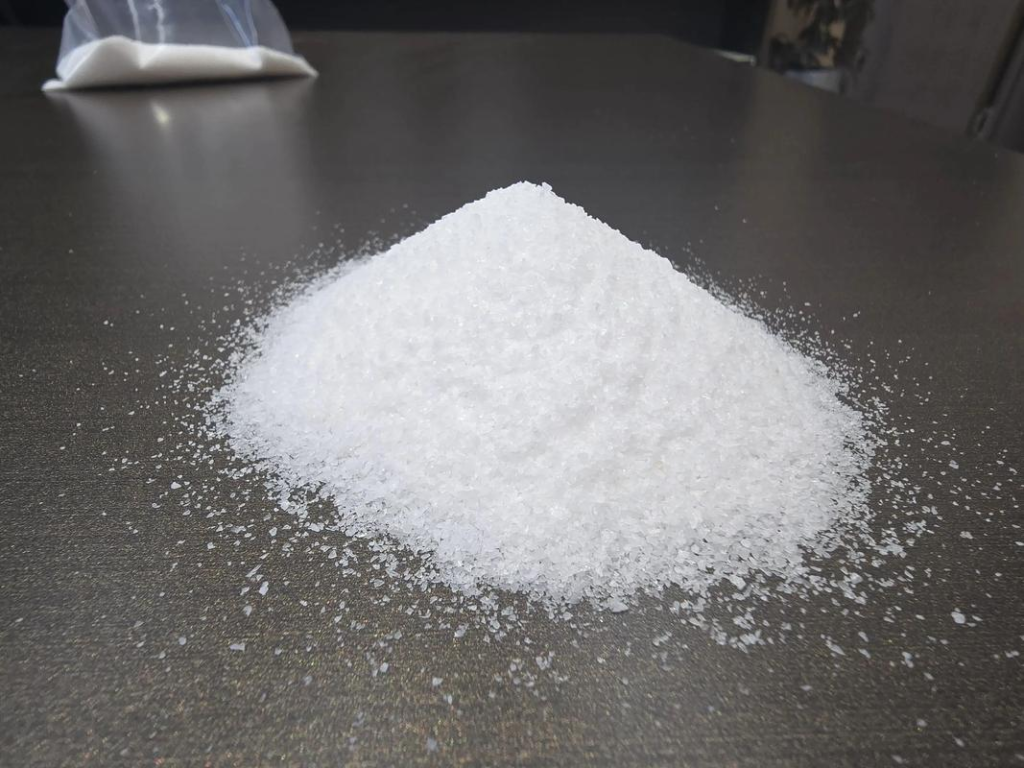
High-purity quartz sand (HPQS) refers to fine quartz powder with extremely high SiO₂ content and exceptionally low levels of impurity elements. It is primarily produced by purifying high-grade natural quartz minerals using a combination of physical and chemical technologies. As an important non-metallic mineral resource, HPQS possesses superior properties such as high purity, hardness, refractoriness, and a low thermal expansion coefficient, making it indispensable across various high-tech fields. Products of different purity grades serve distinct application areas and command significantly different prices. The preparation of high-purity quartz sand is a complex purification process involving multiple stages: crushing, grinding, classification, chemical treatment, and thermal processing. Ball mills, jet mills, classifiers falls under the physical processing and classification stage, which is a crucial part of the overall flow.

High-purity quartz sand is classified by market application into three primary grades: 4N (99.99% SiO₂), primarily used in advanced lighting and electronic packaging; 4N8 (99.998% SiO₂), mainly applied in the photovoltaic and communication industries; and 5N (99.999% SiO₂), which is critical for semiconductor and chip manufacturing.
II. High-Purity Quartz Sand Industry Chain
1. Industry Chain Structure
Upstream: Includes quartz mineral resources and production machinery/equipment. Quartz resources encompass vein quartz, quartzite, quartz sandstone, quartz sand deposits, argillaceous quartz sand deposits, feldspathic quartz sand deposits, and other siliceous raw materials. China possesses abundant quartz reserves and a wide variety of products, but the overall quality is relatively low. Most deposits are common silica ore suitable for ordinary glass, stone materials, construction sand, and similar uses.
Midstream (Processing): HPQS production primarily involves three methods: processing of natural rock crystal, purification of minerals, and chemical synthesis.
Downstream (Applications): Mainly serves high-end manufacturing sectors such as photovoltaics (PV), semiconductors, optical fiber/optics, and electronics.
2. Market Size of China’s Semiconductor Industry

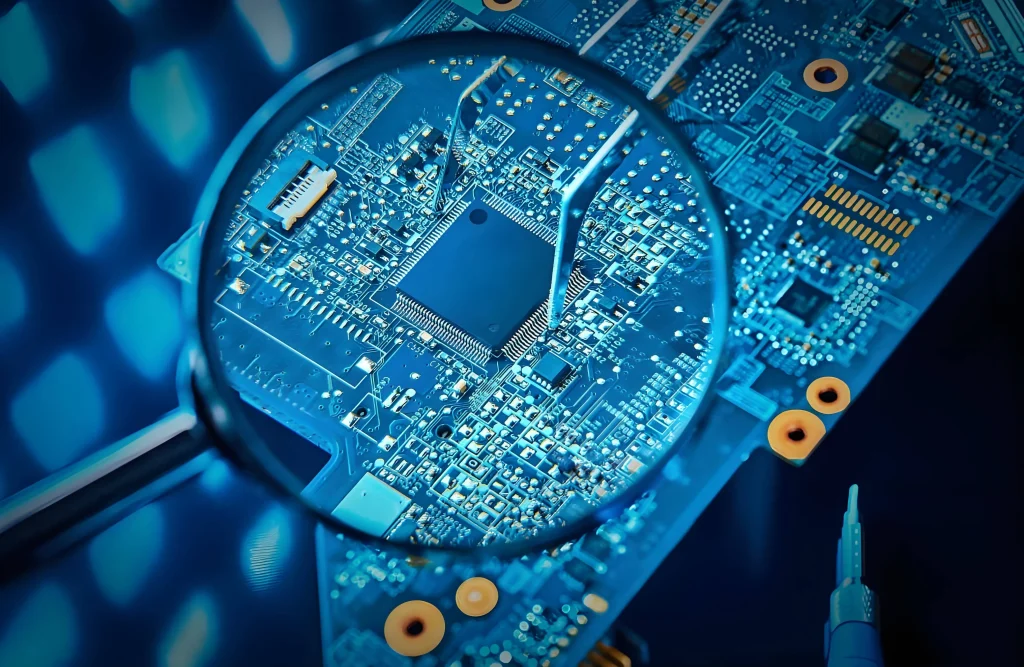
As a pillar industry vital to national welfare, people’s livelihood, and defense security, the semiconductor sector significantly impacts economic development and national security. Within this field, HPQS is a critical raw material for manufacturing silicon wafers used in large-scale integrated circuits (ICs). The impurity content in the quartz directly affects chip performance and yield rates. For instance, the 14-nanometer process technology requires metal impurity levels in the silicon wafer raw material to be below 10 parts per billion (ppb), placing extremely high demands on material purity. Statistics indicate that China’s semiconductor industry market size reached approximately 4,687.6 billion RMB in 2023, representing a year-on-year growth of 1.3%.
III. Development Status of the High-Purity Quartz Sand Industry
The purification and production of HPQS require exceptionally high-quality source ore, leading to a global scarcity of quartz deposits that meet the necessary standards. In recent years, growth in the electronics industry has driven the expansion of the global HPQS market. According to statistics, global HPQS production reached approximately 3.611 million tons in 2024, with demand at about 3.606 million tons.
Due to the complex purification processes and high technical barriers, currently only a few companies worldwide possess the technology and capability for large-scale HPQS production, namely Unimin (United States), The Quartz Corp (TQC, Norway), and Jiangsu Pacific Quartz Co., Ltd. (China). In terms of market scale, the global HPQS market has shown steady growth, expanding from USD 1.093 billion in 2018 to an estimated USD 3.034 billion in 2024, achieving a compound annual growth rate (CAGR) of approximately 18.5%.
IV. What Equipment is Used to Prepare High-Purity Quartz Sand?
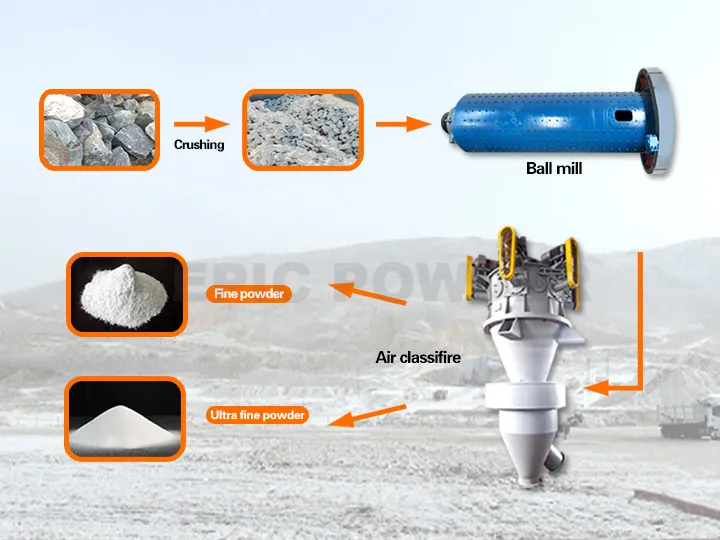
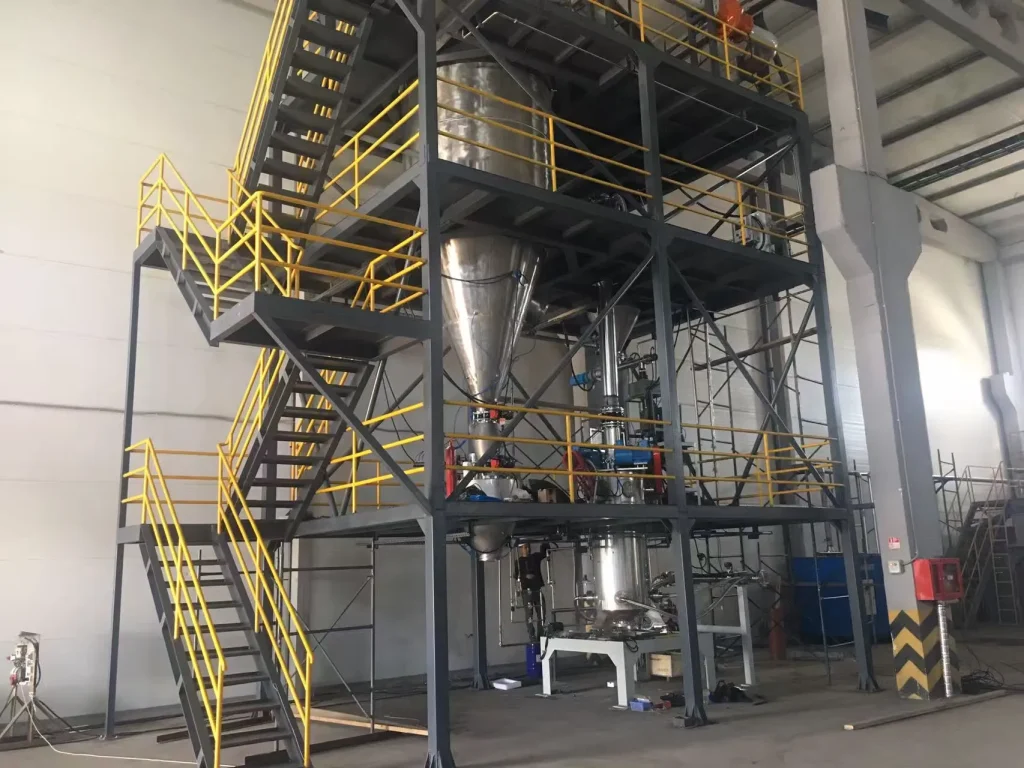
The preparation of high-purity quartz sand is a complex purification process involving multiple stages: crushing, grinding, classification, chemical treatment, and thermal processing. Ball mills, jet mills, classifiers falls under the physical processing and classification stage, which is a crucial part of the overall flow. Their role is to crush, grind and classify the raw quartz ore to the target particle size, preparing it for subsequent deep purification steps (mainly removing impurity elements like iron, aluminum, and titanium).
Typical Process Flow for High-Purity Quartz Sand Production
1. Primary Crushing & Beneficiation: Raw ore → Jaw Crusher / Cone Crusher (coarse crushing) → Washing, Scrubbing, Magnetic Separation (removing clay, weakly magnetic minerals).
2. Fine Grinding & Classification: Grinding the preliminarily purified quartz rocks to a suitable size (usually 0.1-0.5mm or finer) and performing precise classification.
3. Deep Chemical Purification: Acid leaching (commonly using mixed acids like HF, HCl, H₂SO₄), high-temperature chlorination, etc., to dissolve or volatilize impurities on the surface and within the crystal lattice.
4. Washing & Dehydration: Repeated rinsing with ultra-pure water until neutral.
5. Thermal Treatment & Final Classification: High-temperature roasting, cooling, and sometimes final jet milling and precision classification to obtain the finished product.
V. Detailed Analysis of Equipment for the Fine Grinding & Classification Stage
The core objective here is: To efficiently grind quartz to the required fineness and classify it precisely while minimizing the introduction of new contamination (iron contamination is critical).
1. Grinding Equipment
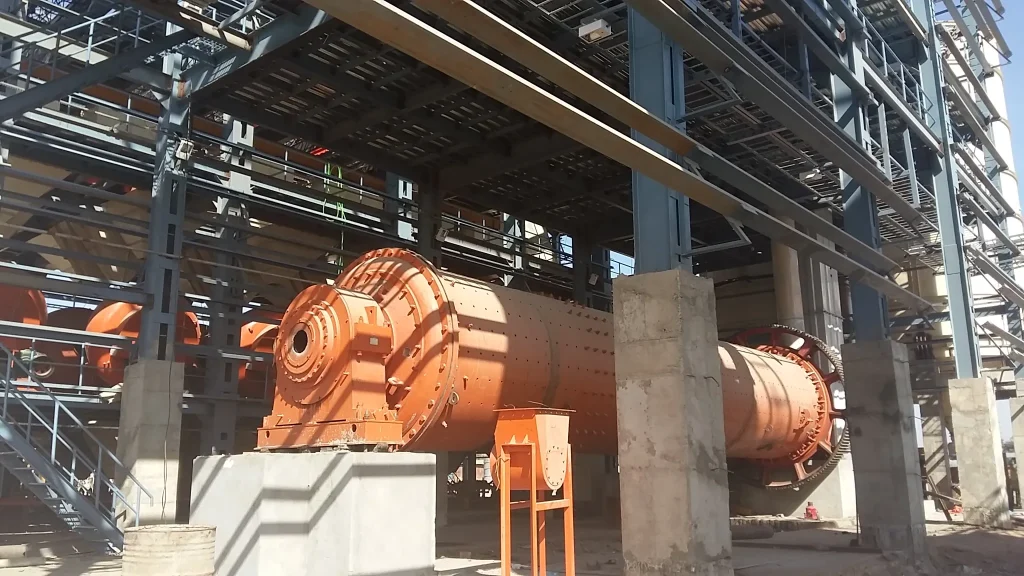
Ball Mill:

Ball mills can utilize the impact and abrasion of steel balls (or ceramic balls, quartz pebbles) inside a rotating cylinder.
Application in High-Purity Quartz Production:
Advantages: High capacity, relatively low operating cost, mature technology. Generally used only for intermediate grinding of mid-grade quartz sand, or it must be followed by intensive chemical acid leaching for iron removal.
Jet Mill (Fluidized Bed Jet Mill) – Recommended for High-End Products:

Principle: Uses supersonic compressed air to accelerate particles, causing them to collide and fragment against each other. Completely physical isolation, no grinding media.
Key Advantages for High-Purity Quartz Preparation:
Zero Contamination: The grinding chamber can be lined with ceramics (e.g., alumina, silicon carbide) or polymers. The material only collides with itself, introducing virtually no new metallic impurities.
Ideal for Ultra-Fine Grinding: Easily grinds quartz to sizes ranging from a few microns to tens of microns.
Narrow Particle Size Distribution (PSD): When integrated with a classifier, it produces a uniform product.
Conclusion: The preferred choice for producing high-end high-purity quartz powder (especially for quartz crucibles, semiconductor packaging, etc.), commonly used in the final milling stage after chemical purification.
2. Classification Equipment
The purpose of classification is to control the final product’s PSD, removing oversized or undersized particles.
Air Classifier (Used together with Jet Mills):

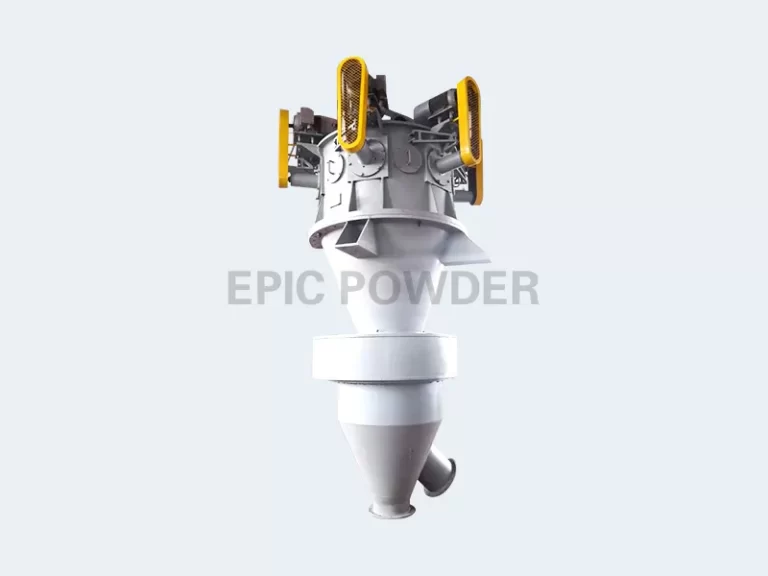
Principle: Utilizes centrifugal force and aerodynamic drag to precisely separate particles by size.
Application: Typically integrated with the jet mill in a single system (a fluidized bed opposed jet mill + dynamic air classifier is the most common setup). This creates a closed-circuit grinding-classification loop . Only fine particles meeting the size specification are separated; coarse particles are recirculated for further grinding. This is key to obtaining a stable, uniform product.
Advantage: Similarly employs ceramic components, is contamination-free, and offers high precision.
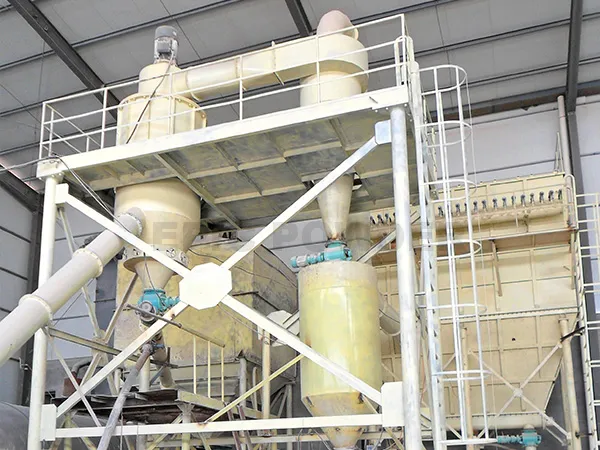
Hydrocyclone / Sedimentation Classifier:
Principle: Uses centrifugal or gravitational settling in water to classify particles by size or density.
Application: Often used for wet classification and washing before or after chemical treatment. Requires large amounts of ultra-pure water and generates wastewater.
VI. Recommended Equipment Selection Workflow
For the fine grinding and classification stage in high-purity quartz sand production, there are generally two equipment pathways:
Pathway One (Traditional & Economical – Suitable for Mid-to-High Grade Quartz Sand):
Raw Quartz Ore → Jaw/Cone Crusher (coarse crush) → Roll Crusher (intermediate crush, low contamination) → Ceramic Ball Mill / Pebble Mill (using quartzite as grinding media) for wet grinding → Battery of Hydrocyclones for classification → Proceeds to deep purification processes like Magnetic Separation, Flotation, Acid Leaching→ Drying.
Note: This pathway relies on subsequent chemical purification to remove contamination introduced during grinding.
Pathway Two (High-End / Ultra-Pure Route – Suitable for PV, Semiconductor Grade):
Initially beneficiated and acid-leached, relatively pure quartz lumps → Drying → Integrated Jet Mill & Air Classifier System (core equipment, e.g., fluidized bed opposed jet mill + turbo air classifier, full ceramic lining) → Obtains high-purity, uniformly sized quartz powder → May undergo secondary acid washing or high-temperature chlorination → Ultra-pure water washing, Drying\.
Note: This pathway minimizes secondary contamination during processing to the greatest extent.
요약
The core of producing high-purity quartz sand lies in purification, not just size reduction. Grinding and classification are merely physical preparation steps that create the conditions for effective purification.
The primary principle in equipment selection is avoiding secondary contamination. Therefore, the Jet Mill + Air Classifier combination is the uncontested first choice for physical processing in high-end applications.
A complete production line must include robust chemical purification (acid leaching, high-temperature chlorination) and cleaning units. This is the technical key to achieving high purity.
Auxiliary Equipment: High-Gradient Magnetic Separators (removing Fe, Ti), Flotation Cells (removing feldspar, mica), Attrition Scrubbers (removing surface iron coatings), and Electric/Arc Fusion Furnaces (producing higher purity fused quartz) are all vital components of a comprehensive high-purity quartz production line.
Final Recommendation: When planning your equipment lineup, you must first define the target product’s purity grade (SiO₂ content) and application. Then, based on the quality of the raw quartz, design a complete process flow encompassing crushing, grinding, classification, magnetic separation, flotation, acid leaching, and thermal processing, selecting equipment with appropriate materials of construction and technology types.
에픽 파우더
에픽 파우더 is specialized in fine powder processing technology for mineral industry, chemical industry, food industry, pharama industry, etc. Our team has more than 20 years experience in Various powders processing and had ever designed.
We are a professional supplier of powder processing projects, especially powder milling, powder classifying, powder dispersing, powder classifying, powder surface treatment and waste recycling. We supply consultancy, testing, project design, machines, commissioning and training.

읽어주셔서 감사합니다. 제 글이 도움이 되셨으면 좋겠습니다. 아래에 댓글을 남겨주세요. EPIC Powder 온라인 고객 담당자에게 문의하실 수도 있습니다. 젤다 추가 문의사항이 있으시면 연락주세요."
— 게시자: 에밀리 첸, 수석 엔지니어