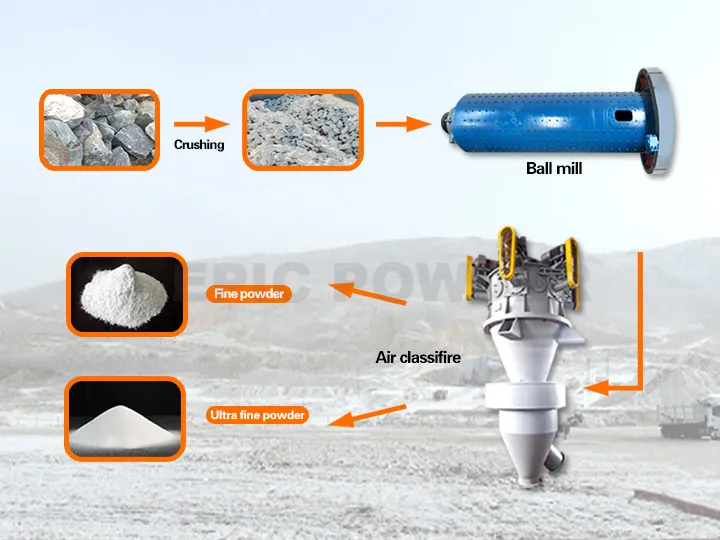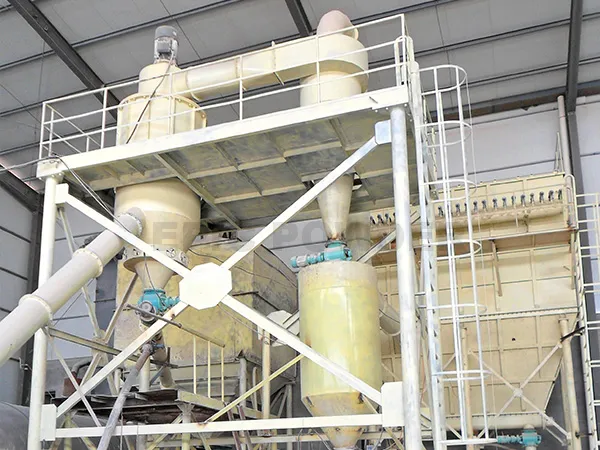
Кварцевый песок — один из наиболее стратегически важных промышленных минералов в мире. Твердость кварцевого песка по шкале Мооса составляет 7. Он обладает исключительной химической стабильностью. Содержание диоксида кремния (SiO₂) в нем варьируется от 901 TP3T в обычных сортах до более 99,991 TP3T в плавленых сортах. Он служит основным сырьем для таких отраслей промышленности, как производство листового стекла, полупроводников, волоконно-оптическая связь, водоочистка и синтез осажденного диоксида кремния. Компания EPIC Powder Machinery проектирует и поставляет комплектные линии по переработке кварцевого песка. Наши порошковые машины охватывают все этапы обработки порошка: от первичного измельчения до классификации, модификации поверхности и упаковки. В данной статье представлено исчерпывающее техническое руководство по типам кварцевого песка, сортам чистоты, технологиям обработки и промышленным областям применения, определяющим спрос на каждый сорт.

Типы залежей кварцевого песка: что определяется вашим сырьем
Однако не весь кварцевый песок одинаков — и разница между сортами огромна. Тот же минерал, который служит фильтрующим материалом на муниципальной водоочистной станции, при соответствующей обработке может превратиться в высокочистый плавленый кварц, используемый в производстве фотоэлектрических пластин, или в ультрадисперсный порошок в высокоэффективных покрытиях и резиновых смесях. Критически важным фактором является не сам минерал, а применяемая к нему технология обработки. Технологический процесс и достижимое качество продукции для любого предприятия по добыче кварцевого песка начинаются с сырья. Ресурсы кварцевых минералов в Китае разнообразны, но их распределение неравномерно, а качество сырья существенно различается в зависимости от типа месторождения. Понимание этих различий имеет важное значение для выбора правильной технологии обработки.
Кварцит
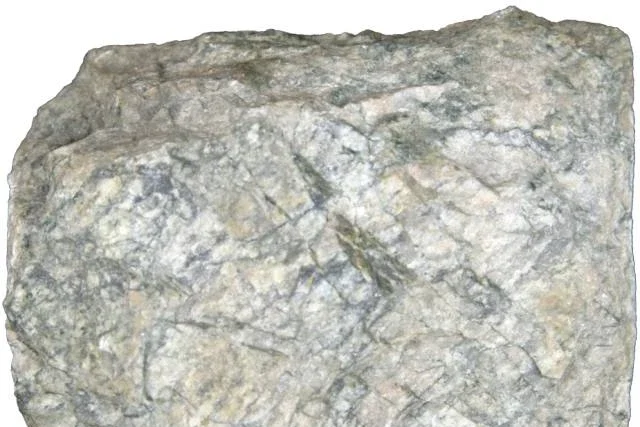
Кварцит образуется из кремнистых пород или кварцевого песчаника в результате метаморфических процессов и термического контакта, что приводит к содержанию кварцевых минералов, как правило, выше 851 TP3T. Он обычно ассоциируется с турмалином, цирконом, слюдой, полевым шпатом и глинистыми минералами. Кварцит обладает большей твердостью и плотностью, чем кварцевый песчаник, что увеличивает энергию, необходимую для дробления и измельчения. Его метаморфическое происхождение означает, что распределение примесей может быть неоднородным, поэтому обогащение руды и селективное измельчение являются важными этапами в переработке кварцита высокой чистоты.
Кварцевый песчаник
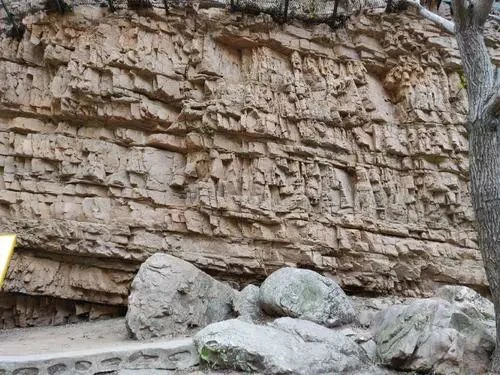
Кварцевый песчаник — это осадочная кремнистая порода, образованная в результате цементации частиц кварцевого песка. Содержание SiO₂ обычно превышает 951ТП3Т, а в качестве цементирующих агентов часто используются халцедон и опал. К сопутствующим минералам относятся турмалин, рутил, магнетит, слюда и полевой шпат. Осадочное происхождение кварцевого песчаника, как правило, приводит к более равномерному распределению примесей, чем у кварцита, что может упростить обогащение. Существуют два основных подтипа: морские осадочные и речно-озерные отложения, при этом морские отложения обычно характеризуются более однородным размером зерен и чистотой по всей площади месторождения.
Натуральный кварцевый песок
Природный кварцевый песок — это рыхлый песок, образующийся в результате естественного выветривания и эрозии кварцсодержащих пород, отложенных под действием воды или ветра. Из трех основных типов месторождений он наиболее прост в обработке — не требует взрывных работ или первичного дробления — но обычно имеет самое широкое распределение частиц по размерам и наиболее изменчивый химический состав. Основными этапами обработки природного кварцевого песка являются промывка и классификация.
Жильный кварц
Жильный кварц — это самый чистый тип природного кварцевого месторождения. Образуясь, когда богатые кремнеземом магматические гидротермальные флюиды заполняют трещины в породе и быстро остывают, жильный кварц в естественном состоянии достигает содержания SiO₂ выше 991 тыс. тонн на 3 тонну. Его минеральный состав по существу представляет собой чистый кварц, характеризующийся чистым белым цветом и жирным блеском. Несмотря на то, что он составляет всего 0,931 тыс. тонн на 3 тонну от общих запасов кварца в Китае, жильный кварц является предпочтительным сырьем для производства высокочистого и плавленого кварцевого песка — сортов, которые пользуются наибольшим рыночным спросом. Основными ограничениями являются небольшой размер месторождения (отдельные жилы обычно имеют ширину от нескольких метров до десятков метров) и необходимость тщательной выборочной добычи во избежание разбавления вмещающей породой.

| Руководство по выбору сырья для кварцевого песка Стандартные марки фильтрации/конструкции для технологических процессов: Натуральный кварцевый песок или кварцевый песчаник — самый дешевый вариант, самая простая обработка. Очищенные/промытые кислотой марки (SiO₂ ≥99–99,5%): Высококачественный кварцевый песчаник или кварцит с обогащением Высокочистые марки (SiO₂ ≥99,5–99,9%): Выберите кварцит или жильный кварц, обработанный кислотным выщелачиванием. Плавленый кварцевый песок (SiO₂ ≥99,9%): Высокочистый жильный кварц — строгий отбор сырья имеет первостепенное значение. |
Классификация чистоты кварцевого песка: технические характеристики и их значение для обработки.
Промышленный кварцевый песок подразделяется на пять основных категорий чистоты. Каждая категория имеет свои химические характеристики, требования к обработке и области применения на конечном рынке. Приведенные ниже характеристики представляют собой широко используемые отраслевые стандарты, хотя отдельные покупатели — особенно в сфере электроники и фотовольтаики — часто предъявляют более высокие требования.

| Оценка | Содержание SiO₂ | Предел Fe₂O₃ | Основные приложения |
| Обычный кварцевый песок | ≥90–99% | ≤0,06–0,02% | Фильтрация воды, строительство, металлургия, абразивы, литейное производство |
| Очищенный (промытый кислотой) | ≥99–99,5% | ≤0,005% | Высококачественное стекло, оптические приборы, прецизионное литье, керамика. |
| Высокочистый кварцевый песок | ≥99,5–99,9% | ≤0,001% | Электронное стекло, фотоэлектрические элементы, специальные покрытия, современная керамика. |
| Плавленый кварцевый песок | ≥99,9–99,95% | ≤5–25 ppm | Производство полупроводников, оптическое волокно, фотоэлектрические тигли, прецизионная оптика. |
| Микрокремнезем | Различный | — | Высокопрочный бетон, огнеупорные материалы, плотная керамика |
Сложность обработки и стоимость резко возрастают при более высоких степенях чистоты. Переход от обычного кварцевого песка к рафинированному требует кислотной промывки и тщательного контроля размера частиц. Производство высокочистых сортов требует не только кислотного выщелачивания, но и магнитной сепарации, в некоторых случаях флотации, а также строгого контроля загрязнений на всей технологической линии. Для плавленого кварцевого песка требуется дополнительный этап высокотемпературного плавления, который устраняет структурные дефекты и обеспечивает термические и оптические свойства, необходимые для полупроводниковых и фотоэлектрических применений.
Технологии переработки кварцевого песка: от дробления до получения сверхтонкого порошка.
Технологический процесс переработки кварцевого песка определяется качеством исходного сырья и целевыми техническими характеристиками продукта. Полная линия по переработке высокочистого кварца обычно включает следующие этапы, хотя не все из них необходимы для каждого сорта:
Первичное дробление и предварительная классификация
Кварцит и кварцевый песчаник требуют первичного дробления перед измельчением. Для измельчения руды до приемлемого размера для последующих обогатительных фабрик используются щековые и конусные дробилки. Для природного кварцевого песка первичное дробление не требуется. Предварительная классификация путем просеивания удаляет крупногабаритный материал и снижает нагрузку на измельчающее оборудование.
На этом этапе минералогические примеси, связанные с границами зерен — глина, слюда, полевой шпат — начинают отделяться от кварцевой матрицы. Промывка на этапе предварительной классификации удаляет отделившуюся глину и ил, улучшая качество сырья для последующего измельчения и обогащения.
Шлифовка и сверхтонкая шлифовка
Измельчение является центральным этапом обработки и оказывает наибольшее влияние на ценность продукта. Выбор технологии измельчения определяет достижимый диапазон размеров частиц, распределение частиц по размерам (РЧД), энергопотребление и риск загрязнения от самого измельчительного оборудования.
| Технология шлифовки | Диапазон выходного напряжения | Энергоэффективность | Наиболее подходит для |
| Кольцевая вальцовая мельница | 325–2500 меш | Высокий | Средний ценовой сегмент, сбалансированное соотношение цены и качества. |
| Шаровая мельница (замкнутый цикл) | 32–200 мкм | Умеренный | Высокая производительность, широкий диапазон размеров |
| Струйная мельница | D97 3–45 мкм | Высокий уровень (отсутствие загрязнения) | Сверхчистые, чувствительные к загрязнениям сорта. |
Для применения в производстве высокочистого кварцевого порошка — в электронике, специальном стекле, высокоэффективных покрытиях — струйное измельчение все чаще становится предпочтительной технологией сверхтонкого помола. Поскольку струйные мельницы обеспечивают измельчение за счет удара частиц друг о друга с использованием сжатого воздуха (без контакта металлических измельчающих поверхностей с продуктом), они не вносят металлических примесей. Это критически важно для применений, где содержание Fe, Al, Na и K должно поддерживаться на уровне ниже нескольких частей на миллион.
Классификация воздуха
Пневматическая классификация является ключом к получению узкого распределения частиц по размерам в любом процессе измельчения. Динамический пневматический классификатор разделяет частицы по размеру с помощью центробежной силы и сопротивления: крупные частицы возвращаются в мельницу для дальнейшего измельчения, а мелкие частицы целевого размера выходят в качестве продукта. Регулируя скорость вращения классификационного колеса, можно точно контролировать точку разделения — и, следовательно, продукт D50 и D97. Пневматические классификаторы EPIC Powder Machinery доступны в конфигурациях от лабораторных опытных образцов до высокопроизводительных производственных систем, обеспечивающих производительность в тоннах в час.
Обогащение: магнитная сепарация, флотация и кислотное выщелачивание.
Для получения высокочистого и плавленого кварца одних лишь физических измельчений и классификаций недостаточно для достижения целевой чистоты. Для удаления минеральных примесей необходимы этапы обогащения:
- Магнитная сепарация: Удаляет железосодержащие минералы (магнетит, пирит, ильменит) с помощью магнитных сепараторов с высоким градиентом. Эффективен для восстановления Fe₂O₃ в диапазоне от 0,05% до 0,005% или ниже, в зависимости от минералогического состава.
- Флотация: Селективно удаляет полевой шпат, слюду и глинистые минералы, используя различия в химическом составе поверхности кварца и примесных минералов. Применяется в тех случаях, когда одной лишь магнитной сепарации недостаточно для достижения желаемой чистоты.
- Кислотное выщелачивание: Обработка соляной кислотой (HCl), фтористоводородной кислотой (HF) или смешанными кислотными системами растворяет поверхностные и межзеренные металлические примеси, которые невозможно удалить физическим разделением. Это наиболее эффективный способ получения высокочистого и плавленого кварца, но он требует соответствующей инфраструктуры для работы с кислотами и очистки сточных вод.
Модификация поверхности
Для кварцевого порошка, используемого в качестве функционального наполнителя в полимерах — резине, пластмассах, покрытиях, клеях — модификация поверхности является заключительным этапом обработки и наиболее непосредственно определяет характеристики наполнителя. Необработанные поверхности кварца обладают высокой гидрофильностью, что приводит к агломерации в расплавах полимеров и слабой межфазной адгезии. Обработка поверхности силановыми связующими агентами, титанатными связующими агентами или стеариновой кислотой превращает поверхность кварца в органофильную, обеспечивая равномерное диспергирование и прочное межфазное связывание.
Системы сухой модификации поверхности от EPIC Powder Machinery напрямую интегрируются с линиями измельчения и классификации, обеспечивая непрерывное производство кварцевого порошка с обработанной поверхностью без дополнительных этапов обработки. Ультратонкий кварцевый порошок, обработанный силаном, для высокоэффективных силиконовых герметиков и эпоксидных компаундов имеет существенную ценовую надбавку по сравнению с необработанными сортами.
Промышленное применение кварцевого песка по сортам
Сочетание твердости, химической инертности, высокой температуры плавления и оптических свойств кварцевого песка позволяет использовать его практически во всех основных отраслях промышленности. Ниже описаны наиболее значимые области применения в зависимости от степени чистоты:
Производство стекла — крупнейший отдельный рынок сбыта.
Листовое стекло, флоат-стекло, стеклянная тара, оптическое стекло, стекловолокно и лабораторное боросиликатное стекло – все они начинаются с кварцевого песка, являющегося основным источником кремнезема. Стекольная промышленность потребляет наибольший объем кварцевого песка среди всех отраслей, от обычных сортов (производство флоат-стекла) до высокочистого плавленого кварца для оптических компонентов и защитного стекла для фотоэлектрических элементов. Предельные значения содержания Fe₂O₃ в оптическом и солнечном стекле — обычно ниже 50 ppm — определяют спрос на рафинированные и высокочистые сорта.
Электроника и полупроводниковые технологии — наиболее ценный сегмент рынка.
Плавленый кварцевый песок является важнейшим материалом в полупроводниковом производстве: он используется в диффузионных трубках, подложках для кремниевых пластин, фотошаблонных подложках, а также в качестве основного сырья для синтетической оптики из плавленого кварца, используемой в фотолитографии. Требования к чистоте чрезвычайно высоки — общее содержание металлических примесей ниже 20 ppm, при этом содержание Li, Al, K, Na и Fe контролируется на уровне однозначных ppm, — а ценовая надбавка к обычному кварцевому песку составляет 50–200 раз. Высокочистый кварц также является сырьем для производства оптического волокна, где для низкого затухания сигнала требуется чистота SiO₂ выше 99,991 TP3T и минимальное содержание OH.
Покрытия, резина и пластмассы — возможности модификации поверхности.
Ультрадисперсный кварцевый порошок (D50 2–15 мкм), особенно после обработки поверхности силановыми или титанатными связующими агентами, используется в качестве функционального наполнителя в промышленных покрытиях (для повышения устойчивости к царапинам и истиранию), резиновых смесях (для повышения прочности на разрыв и твердости) и конструкционных пластмассах (для снижения теплового расширения и повышения стабильности размеров). Ключевыми факторами, определяющими эффективность, являются однородность размера частиц и качество обработки поверхности — параметры, которые полностью зависят от используемой технологии измельчения и классификации.
Фильтрация для очистки воды — объемное применение
Обычный кварцевый песок с размером частиц 0,5–2 мм является стандартным фильтрующим материалом в быстродействующих песочных фильтрах и многослойных фильтрующих слоях для очистки питьевой воды, доочистки сточных вод и промышленных технологических вод. Его твердость (по шкале Мооса 7), химическая инертность и угловатая форма частиц обеспечивают механическую стабильность и эффективность фильтрации, необходимые для длительного срока службы при непрерывном цикле обратной промывки. В фильтрах с непрерывной обратной промывкой (песочные фильтры восходящего потока с регенерацией с помощью аэрации) кварцевый песок используется в самоочищающихся конфигурациях, что исключает простои, связанные с обычными циклами обратной промывки.
Огнеупорные материалы и металлургия
Высокая температура плавления кварцевого песка (SiO₂ плавится при 1713 °C) и устойчивость к химическому воздействию делают его важным компонентом огнеупорных кирпичей, керамических элементов печей из карбида кремния и металлургических флюсов. В литейном производстве кварцевый песок, связанный глиной или смолой, образует формовочный материал для отливок из железа, стали и цветных металлов. Размер частиц, форма зерен и характеристики теплового расширения кварцевого песка напрямую влияют на точность размеров и качество поверхности получаемых отливок.
Производство осажденного кремнезема
Кварцевый песок является основным сырьем для производства осажденного диоксида кремния (аморфного диоксида кремния) мокрым методом. Высокочистый кварцевый песок сначала превращается в силикат натрия (жидкое стекло) путем плавления с карбонатом натрия или реакции с каустической содой. Затем раствор силиката натрия реагирует с серной кислотой, осаждая аморфный диоксид кремния с контролируемой площадью поверхности (50–700 м²/г). Осажденный диоксид кремния используется в качестве армирующего наполнителя в шинах и техническом каучуке, в качестве носителя для сельскохозяйственных химикатов, а также в качестве абразива в стоматологии. Качество исходного кварцевого песка напрямую влияет на чистоту и оптические свойства получаемого осажденного диоксида кремния.
| Приложение | Требуемая оценка | Основные характеристики | Песок по доступной цене против стандартного песка |
| Флоат-стекло / контейнеры | Обычный – изысканный | SiO₂ ≥98% | Fe₂O₃ ≤0.02% | 1–1,5× |
| Оптическое/солнечное стекло | Высокая чистота | SiO₂ ≥99,5% | Fe ≤50 ppm | 3–8× |
| Полупроводник / оптическое волокно | Плавленый кварц | SiO₂ ≥99,9% | Общее содержание металлов <20 ppm | 50–200× |
| Полимерный наполнитель (покрытия / резина) | Ультратонкая модифицированная | D50 2–15 мкм | Обработка поверхности | 2–5× |
| Исходное сырье из осажденного кремнезема | Утонченный | SiO₂ ≥99% | Низкое содержание Fe и Al | 1,5–2,5× |
| Фильтрующие материалы для воды | Обычный | Размер частиц 0,5–2 мм | Твердость ≥7 | 1× (эталон) |
Обсудите свой проект по переработке кварцевого песка с компанией EPIC Powder Machinery.
От сырого кварцевого песка до высокочистого ультратонкого порошка — каждый этап технологической цепочки. Дробление, измельчение, классификация, модификация поверхности и упаковка влияют на качество и ценность конечного продукта. Компания EPIC Powder Machinery проектирует и поставляет комплектные линии по переработке кварца, специально разработанные для целевого сорта, объема производства и конечного применения.
Независимо от того, производите ли вы стандартный фильтрационный песок, очищенный кислотой кварц для оптических применений или высокочистый ультрадисперсный порошок для электроники и специального стекла, наша инженерная команда может проконсультировать вас по оптимальной конфигурации оборудования и технологическому процессу. Перед началом полномасштабного производства доступны лабораторные испытания.
→ Запросите бесплатную консультацию по процессу: http://quartz-grinding.com/contact-us/
→ Ознакомьтесь с нашим оборудованием для обработки кварца: www.quartz-grinding.com
Часто задаваемые вопросы
Какая технология измельчения лучше всего подходит для получения сверхтонкого кварцевого порошка для применения в электронике?
Для сверхтонкого кварцевого порошка электронного класса, где содержание металлических примесей должно быть ниже нескольких частей на миллион, предпочтительной технологией измельчения является струйное измельчение. Струйные мельницы обеспечивают уменьшение размера частиц за счет ударного воздействия на частицы, вызванного сжатым воздухом. Отсутствие металлических измельчающих поверхностей, контактирующих с продуктом, исключает основной путь загрязнения, характерный для обычных мельниц. В сочетании с классификацией с керамической футеровкой и контролируемой обработкой, струйное измельчение позволяет получать сверхтонкий кварцевый порошок (D50 1–10 мкм), соответствующий строгим требованиям к содержанию примесей для полупроводниковых, фотоэлектрических и оптических применений.
Что такое плавленый кварцевый песок и почему он продается по такой высокой цене?
Плавленый кварцевый песок получают путем плавления высокочистого кварца при температурах выше 1700 °C, а затем охлаждения и измельчения полученного плавленого кремнезема. Процесс плавления устраняет кристаллическую структуру (превращая кристаллический кварц в аморфный кремнезем), удаляет структурные дефекты и обеспечивает чрезвычайно низкий коэффициент теплового расширения (0,55 × 10⁻⁶/°C). Эти свойства делают плавленый кварц незаменимым для оборудования для обработки полупроводниковых пластин, фотоэлектрических тиглей, прецизионных оптических компонентов и высокопроизводительной лазерной оптики — применений, где обычный или даже высокочистый кристаллический кварц не подходит. Сочетание высоких требований к сырью (исходный кварц из жил), энергоемкого процесса плавления и критически важных требований конечного рынка обуславливает ценовую премию в 50–200 раз по сравнению с обычным кварцевым песком.
Каким образом кварцевый песок используется в производстве осажденного кремнезема?
Кварцевый песок служит основным сырьем для производства осажденного диоксида кремния (аморфного SiO₂) методом влажной химической обработки. Высокочистый кварцевый песок сначала превращается в раствор силиката натрия (жидкое стекло, Na₂SiO₃) путем реакции с каустической содой при повышенной температуре и давлении. Затем раствор силиката натрия подкисляют серной кислотой для осаждения аморфного диоксида кремния, который фильтруют, промывают и сушат для получения осажденного диоксида кремния с контролируемой площадью поверхности (50–700 м²/г). Качество исходного кварцевого песка напрямую определяет чистоту и оптические свойства конечного диоксида кремния — примеси железа и алюминия в исходном сырье приводят к появлению осажденного диоксида кремния и ограничивают его пригодность для таких важных применений, как армирование шин и стоматологические абразивы.

Спасибо за прочтение. Надеюсь, моя статья вам поможет. Пожалуйста, оставьте комментарий ниже. Вы также можете связаться с онлайн-представителем EPIC Powder. Зельда для любых дальнейших запросов».
— Эмили Чен, Инженер