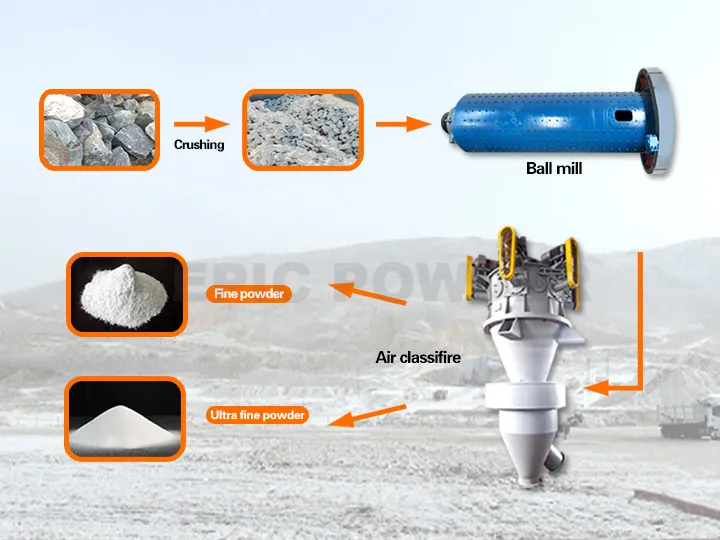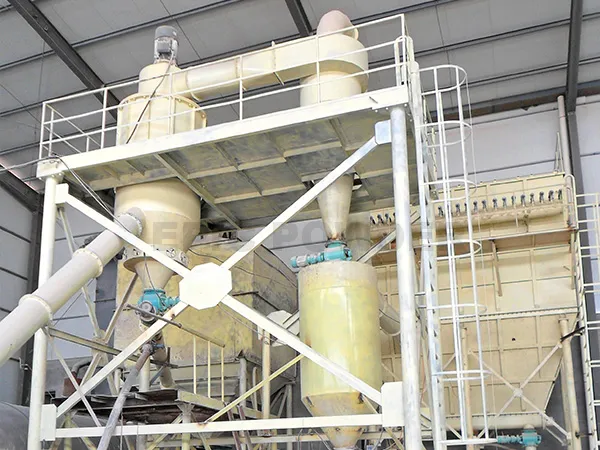
Thạch anh, một loại khoáng chất silicat cứng, chịu mài mòn và ổn định về mặt hóa học, chủ yếu bao gồm SiO₂, là nền tảng của ngành công nghiệp hiện đại. Tại Epic Powder, chúng tôi hiểu vai trò quan trọng của nó. Ngành công nghiệp hiện đại dựa vào các máy nghiền tinh vi và công nghệ phân loại để biến thạch anh thô thành các loại bột thiết yếu. Tại Epic Powder, chúng tôi cung cấp đầy đủ các công nghệ này.

Tìm hiểu về Thạch anh
Cát thạch anh thường có màu trắng sữa hoặc không màu và trong mờ. Với độ cứng Mohs là 7, mật độ 2,65 và điểm nóng chảy 1750°C, nó thể hiện tính dị hướng đáng kể về các đặc tính hóa học, nhiệt và cơ học. Nó không tan trong axit và tan một phần trong dung dịch KOH.
Các thông số kỹ thuật phổ biến mà chúng tôi cung cấp bao gồm: 0.5-1mm, 1-2mm, 2-4mm, 4-8mm, 8-16mm, 16-32mm, và kích thước mắt lưới như 10-20, 20-40, 40-80, 100-120.
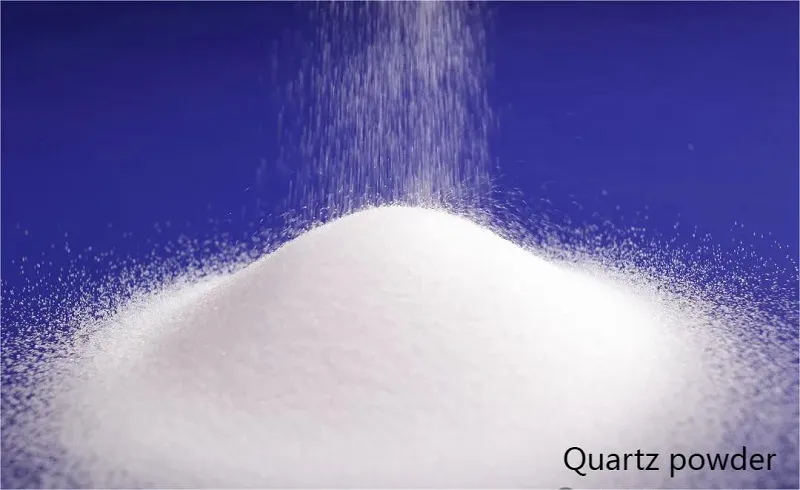
Phân loại toàn diện các loại thạch anh
Đá tinh thể tự nhiên: Các tinh thể thạch anh lớn, trong suốt. Mặc dù được đánh giá cao về độ tinh khiết và vẻ đẹp thẩm mỹ (ví dụ, từ Đông Hải, Trung Quốc), nhưng trữ lượng hạn chế và giá thành cao đã cản trở việc sử dụng công nghiệp trên quy mô lớn.
Đá sa thạch thạch anh: Một loại đá trầm tích vụn kết dính với hàm lượng thạch anh >95%. Được tìm thấy nhiều ở các vùng như Vân Nam và Tứ Xuyên, Trung Quốc. Độ cứng vừa phải và kích thước hạt tự nhiên của nó làm cho nó lý tưởng cho việc chế biến quy mô lớn, mặc dù các chất kết dính của nó có thể phức tạp.
Thạch anh: Đá biến chất được hình thành từ đá sa thạch, nổi tiếng với cấu trúc đặc và cứng. Nguồn tài nguyên dồi dào (ví dụ: Fengyang, Trung Quốc), mang lại địa chất ổn định và tính toàn vẹn khối đá tốt cho việc khai thác.
Thạch anh dạng mạch: Được hình thành do hoạt động thủy nhiệt, loại này gần như hoàn toàn là thạch anh với hàm lượng SiO₂ thường vượt quá 99%. Mặc dù các mỏ thường nhỏ hơn và có độ dốc lớn hơn, nhưng độ tinh khiết đặc biệt và chất lượng ổn định của nó lại rất có giá trị.
Thạch anh dạng bột (Thạch anh cát): Loại trầm tích phong hóa, có độ xốp tự nhiên và dễ bị nghiền mịn, với độ trắng tự nhiên cao (95-99% SiO₂). Được tìm thấy ở miền Nam Trung Quốc (ví dụ: Quý Châu, Giang Tây).
Cát thạch anh tự nhiên: Được hình thành từ quá trình phong hóa lâu dài của các loại đá gốc như đá granit. Nó thường có kích thước hạt tự nhiên, phù hợp, lý tưởng cho cát đúc, mặc dù cần phải tinh chế để đáp ứng các ứng dụng đòi hỏi độ tinh khiết cao.
Thạch anh granit: Thạch anh có nguồn gốc từ đá granit hoặc pegmatit, chứa khoảng 25% thạch anh. Đây là nguồn cung cấp chính cho thạch anh có độ tinh khiết cao, đặc biệt là từ các nguồn như Spruce Pine, Hoa Kỳ, do đặc tính bao thể chất lỏng của nó.
Các ứng dụng đa chức năng của thạch anh
Thạch anh là một vật liệu chiến lược đa năng, và các ứng dụng của nó đang liên tục mở rộng từ các lĩnh vực truyền thống đến các lĩnh vực công nghệ cao.
Luyện kim: Được sử dụng trong vật liệu chịu lửa (gạch silica), luyện hợp kim silicon (ferrosilicon) và sản xuất silicon tinh thể cho silicon đơn tinh thể và silicon.
Ngành công nghiệp thủy tinh: Nguyên liệu thô chính (chiếm khoảng 701 tấn trong lô hàng) dùng để sản xuất tất cả các loại kính, bao gồm kính phẳng, kính sợi thủy tinh và kính quang học.
Xây dựng & Xi măng: Được sử dụng làm cốt liệu bê tông, đá dằn đường sắt, và chất điều chỉnh/phụ gia trong xi măng và các sản phẩm xây dựng.
Ngành công nghiệp hóa chất: Nguyên liệu thô để sản xuất silicat, natri silicat, gel silica, chất xúc tác và chất trám răng chống axit.
Vật liệu mài mòn & Phun cát: Đá thạch anh và đá sa thạch được chế biến thành đá mài và giấy nhám. Cát thạch anh được sử dụng để chuẩn bị bề mặt (kim loại, đá) và phun cát mài mòn.
Gốm sứ & Vật liệu chịu lửa: Thành phần chính trong thân gốm, men gốm và gạch chịu lửa hàm lượng silica cao.
Điện tử & Quang học: Là thành phần cơ bản cho silicon kim loại có độ tinh khiết cao, sợi quang truyền thông và các linh kiện trong bộ cộng hưởng, bộ lọc và các dụng cụ quang học.
Polyme và Lớp phủ: Hoạt động như một chất độn chức năng trong cao su, nhựa và sơn để tăng cường độ bền và khả năng chống axit.
Công nghệ cao & Hàng không vũ trụ: Cấu trúc độc đáo của nó mang lại các đặc tính như khả năng chịu nhiệt độ cao, độ giãn nở nhiệt thấp, khả năng cách điện cao và hiệu ứng áp điện, cho phép ứng dụng tiên tiến trong cảm biến, thiết bị dò và công nghệ hàng không vũ trụ.
Các ngành công nghiệp và xu hướng chính của người dùng
Thạch anh là vật liệu không thể thiếu trong các ngành công nghiệp chiến lược và trụ cột. Nhu cầu đang nhanh chóng chuyển từ chiếu sáng truyền thống sang:
Chất bán dẫn: Dùng cho nồi nung và các linh kiện có độ tinh khiết cao.
Quang điện (PV): Dùng cho silicon dùng trong sản xuất pin mặt trời và ống công nghiệp.
Cáp quang: Dùng cho các nguyên liệu tiền chất siêu tinh khiết.
Công nghệ quang học tiên tiến và quốc phòng: Tận dụng những đặc tính quang học và vật lý độc đáo của nó.
Từ khóa: Các loại thạch anh, cát thạch anh, ứng dụng silica, thạch anh công nghiệp, thạch anh độ tinh khiết cao, thạch anh dùng cho thủy tinh, thạch anh bán dẫn, cát đúc, vật liệu phun mài mòn, thạch anh tinh thể, đá sa thạch thạch anh, cốt liệu xây dựng, bột Epic, tính chất của SiO2.
Tất nhiên rồi. Dưới đây là một vài đoạn văn tiếng Anh mô tả chi tiết các thiết bị xử lý bột được sử dụng cho thạch anh, được biên soạn để bổ sung cho bài viết SEO của bạn từ góc nhìn của nhà cung cấp thiết bị.
Thiết bị xử lý bột cho sản xuất thạch anh
Việc chuyển đổi thạch anh thô thành bột có độ tinh khiết cao, chính xác theo yêu cầu của ngành công nghiệp hiện đại được thực hiện thông qua sự kết hợp tinh vi giữa các công nghệ nghiền và phân loại. Việc lựa chọn thiết bị phụ thuộc rất nhiều vào phân bố kích thước hạt mục tiêu, yêu cầu về độ tinh khiết và ứng dụng cuối cùng mong muốn.
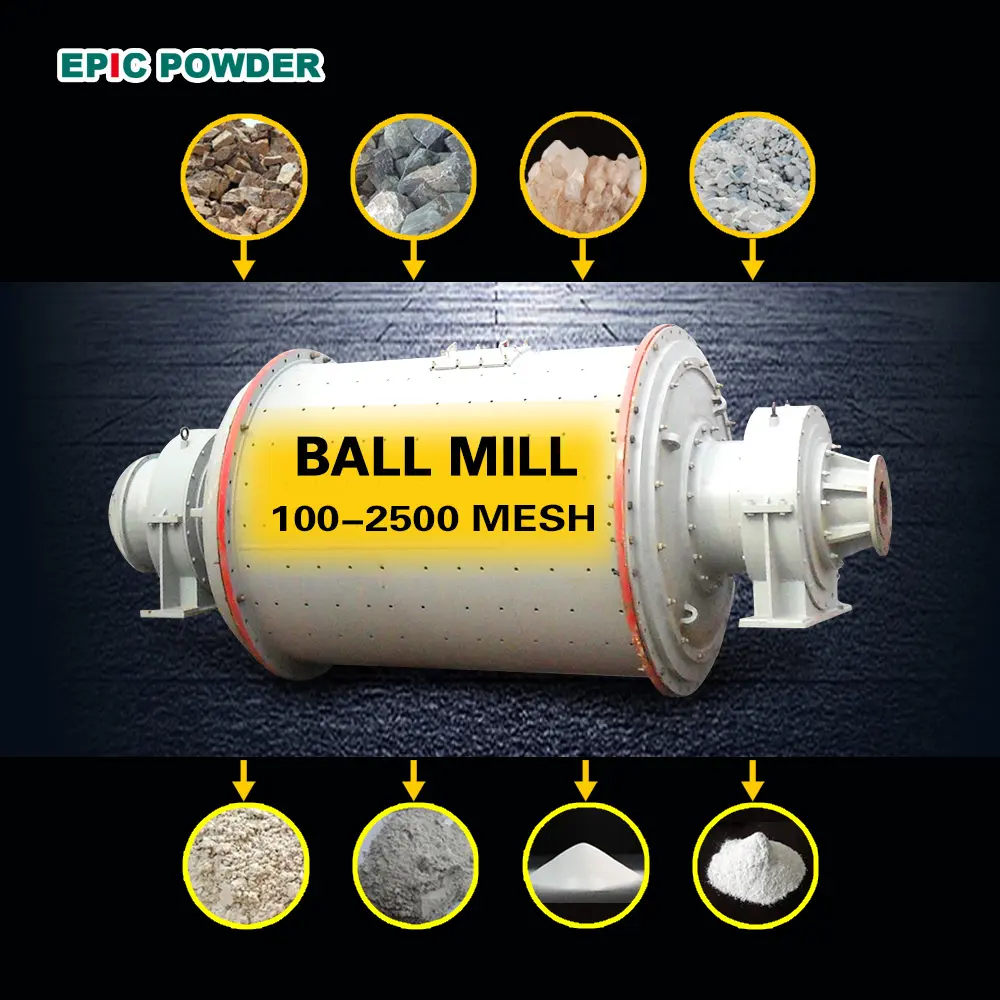
Máy nghiền bi
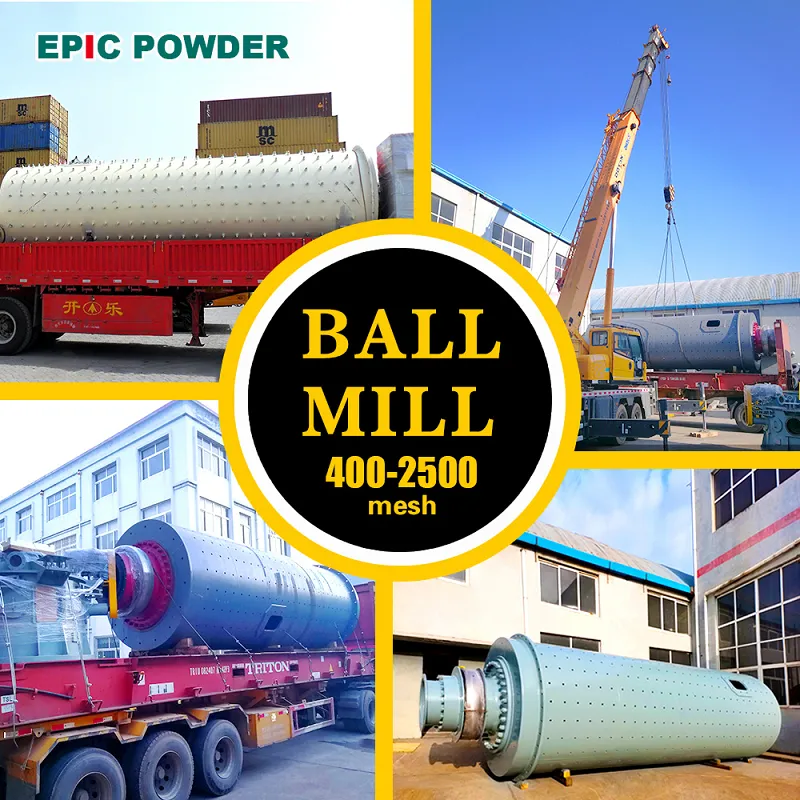
Đây là những giải pháp phổ biến và tiết kiệm chi phí nhất để nghiền thạch anh đến kích thước trung bình mịn (thường là 400-2500 mesh / 38-5 micron). Chúng lý tưởng cho việc xử lý khối lượng lớn trong các ứng dụng như sản xuất thủy tinh, gốm sứ và cát đúc, nơi độ mịn cực cao không phải là yếu tố quan trọng. Chuyển động quay của vật liệu nghiền bằng thép hoặc gốm sứ mang lại khả năng giảm kích thước đáng tin cậy, mặc dù độ chính xác thấp hơn.
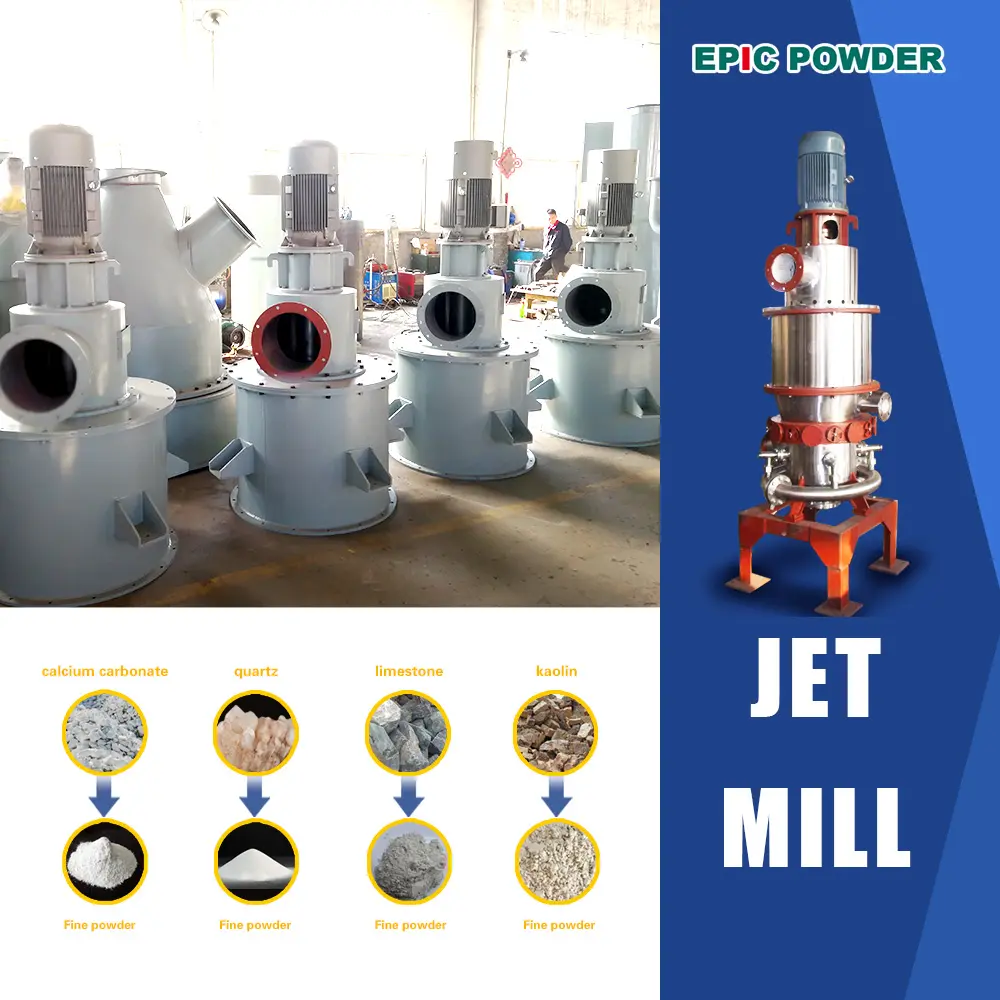
Máy nghiền phản lực
Đây là Công nghệ được ưa chuộng để sản xuất bột thạch anh/silica siêu mịn, độ tinh khiết cao. (từ vài micromet xuống đến kích thước dưới micromet D97). Nguyên lý nghiền dựa trên sự va chạm tốc độ cao giữa các hạt trong luồng khí. Loại bỏ sự nhiễm bẩn từ vật liệu mài hoặc lớp lót.Điều này khiến máy nghiền tia khí trở nên thiết yếu để sản xuất bột thạch anh cho các ứng dụng điện tử, gốm sứ hiệu năng cao, quang học tiên tiến và bán dẫn, nơi mà sự nhiễm bẩn kim loại là không thể chấp nhận được.
Để kiểm soát kích thước hạt chính xác: Phân loại
Quá trình nghiền đơn thuần tạo ra sự phân bố kích thước hạt rộng. Máy phân loại không khí Chúng rất cần thiết để "cắt" sản phẩm đã được nghiền thành kích thước tối đa cụ thể hoặc tạo ra sự phân bố kích thước đồng đều.
Tích hợp với Mills
Nhiều hiện đại Máy nghiền bi và máy nghiền khí nén được tích hợp bộ phân loại khí động., cho phép kiểm soát độ mịn của sản phẩm hoàn thiện trong thời gian thực (ví dụ: điều chỉnh D97 từ 10 đến 100 micron).
Bộ phân loại độc lập
Độc lập Bộ phân loại tĩnh hoặc động hiệu suất cao Có thể được sử dụng để tách bột thạch anh mịn khỏi các hạt thô hơn sau khi xay xát, tối đa hóa năng suất và giá trị sản phẩm. Để đạt được độ tinh khiết cao nhất, người ta sử dụng các thiết bị phân loại được chế tạo với vật liệu lót phù hợp.
Bột Epic
Tại Bột EpicChúng tôi cung cấp đầy đủ các công nghệ này. Từ... nhà máy bóng để sản xuất hàng loạt tiết kiệm chi phí Máy nghiền phun tầng sôi tích hợp bộ phân loại Để có được silica siêu mịn, tinh khiết cao, không lẫn tạp chất, chúng tôi thiết kế các giải pháp đáp ứng các tiêu chuẩn khắt khe của các nhà sản xuất thạch anh—cho dù cung cấp cho ngành công nghiệp thủy tinh hay các lĩnh vực tiên tiến của công nghệ bán dẫn.
Cảm ơn bạn đã đọc. Tôi hy vọng bài viết của tôi có ích. Vui lòng để lại bình luận bên dưới. Bạn cũng có thể liên hệ với đại diện khách hàng trực tuyến của EPIC Powder Zelda để biết thêm bất kỳ thông tin nào khác.”
— Emily Chen, Kỹ sư cao cấp