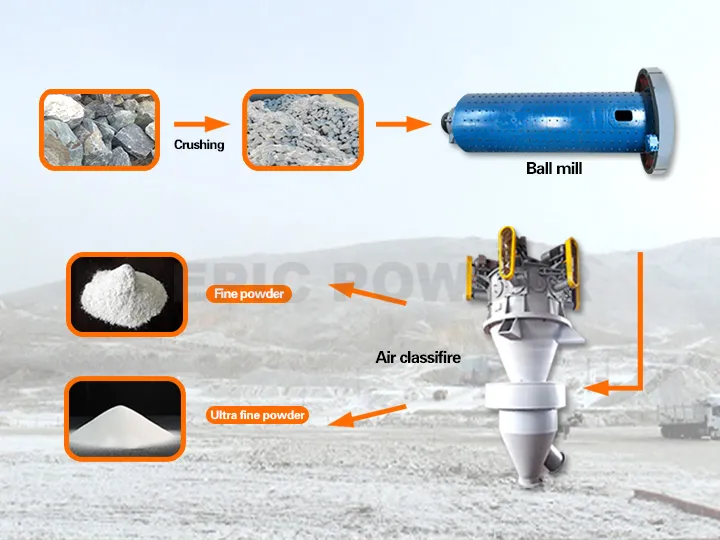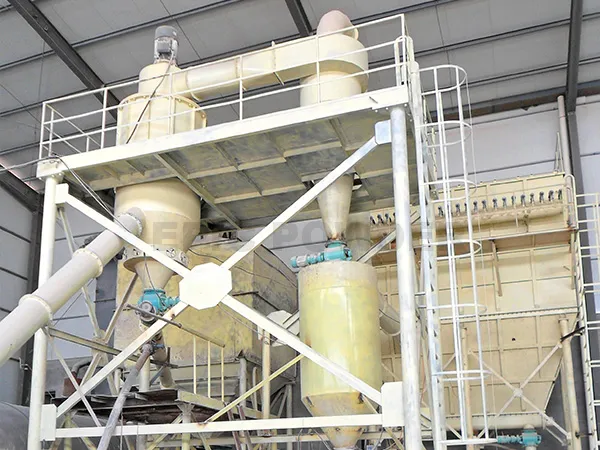
Every quartz powder project starts from the same property, and that property is iron. Whiteness, electrical performance, and chemical purity all degrade as iron enters the product. The grinding route is therefore judged first on how much metal it adds. Industry runs two routes side by side, and both are proven at scale. In practice, dry grinding quartz covers the volume grades, and wet processing serves narrow purity niches. This article compares wet and dry grinding for quartz on iron control and cost. It then states the conditions under which each route wins.
Why Iron Is the Deciding Property
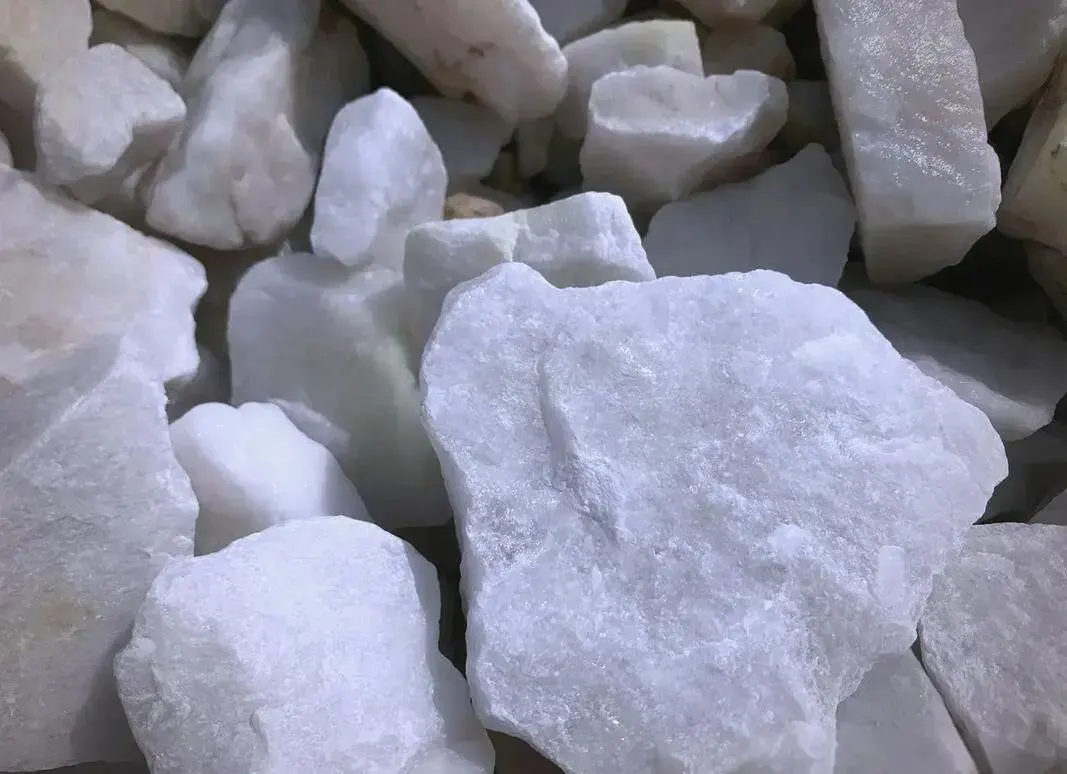
Iron reaches quartz powder from three sources, and each route handles them differently. Grinding media shed metal at the contact surface. Mill liners and classifier parts wear into the stream. The feed itself carries iron-bearing minerals such as magnetite and hematite. Water adds a fourth channel in the wet route, because dissolved iron from pipework reports to the product unless the water is treated. Every grinding decision in quartz is therefore an iron decision first, and a fineness decision second. The visible symptom of uncontrolled iron is a whiteness drop between batches, and buyers of coating or electronic grades reject on it quickly.
What the Wet Route Does
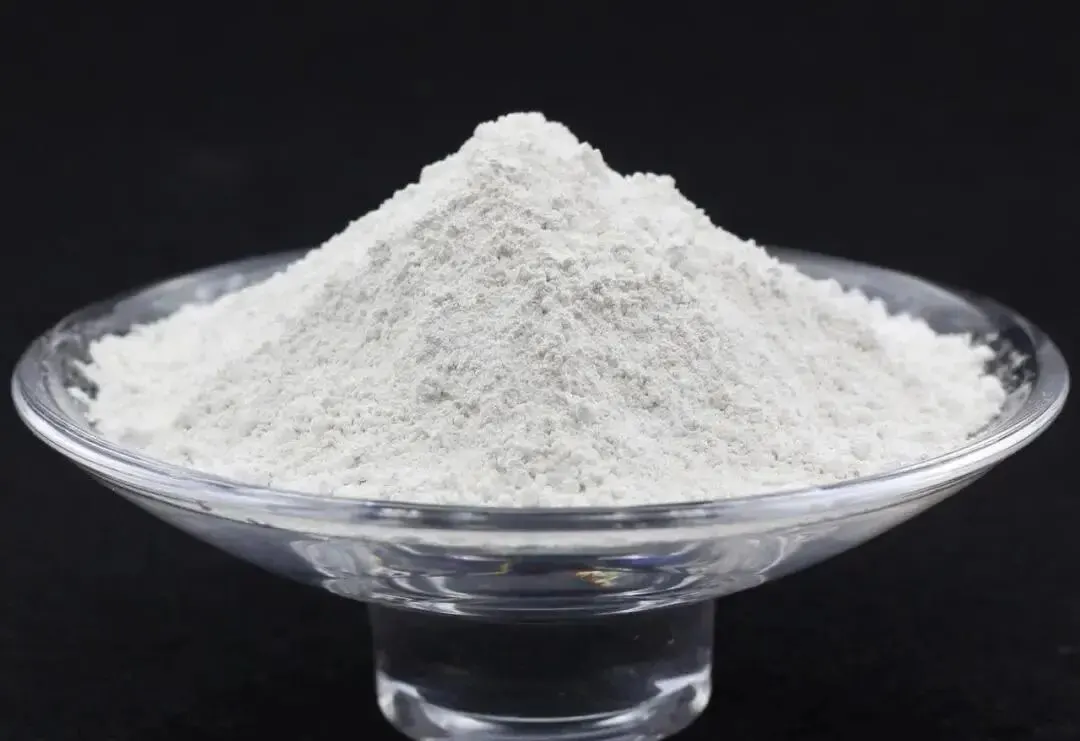
Wet grinding suspends quartz in water and grinds the slurry. Dust exposure falls, and very fine media grinding becomes possible. Iron control in a wet plant rests on downstream chemistry, because the grinding step itself offers no barrier against media wear or dissolved iron. Plants wash, float, or acid leach the slurry to strip iron-bearing minerals and surface iron. The cake then passes dewatering and drying before it reaches a bag.
Each of those stages adds equipment, water treatment, and drying energy behind the mill. The wet route earns that cost in defined cases. Feed that arrives as a wet concentrate avoids a drying step before grinding. Products that need chemical purification anyway combine both steps in one plant. Very fine grades below a few microns often justify the full wet chain for that reason. Outside those cases, the wet chain carries a permanent cost burden of water handling and slurry logistics, and the burden scales with every ton.
What the Dry Route Does
Dry grinding keeps quartz as a powder from crusher to bag, so the iron problem is met inside the mill circuit. Media selection sets the ceiling first. Alumina, zirconia, and ceramic balls each trade wear rate against cost. Contact parts are lined in ceramic or polyurethane, and the feed passes magnetic separators that lift out magnetite and mechanically free iron. A closed circuit with a bag filter contains crystalline silica dust, which protects operators and satisfies workplace air rules at the same time.
The dry route removes the entire water chain from the economics. No dewatering stage, no drying kiln, and no effluent plant is needed behind the mill. Energy per ton falls, and the plant footprint shrinks with it. Dry iron control relies on magnetism and material choice, and it holds any spec that chemistry is not required to reach. Where the feed carries iron locked inside feldspar or mica, chemical leaching would be needed, and that requirement is the honest boundary of the dry route.
Dust safety is the fourth reason the dry route wins in most plants, and it deserves its own arithmetic. Dry quartz dust is crystalline silica, and occupational exposure limits for it keep tightening across markets. A closed circuit with a bag filter holds the dust at the source. Our guide to ball mill efficiency covers the airflow such a circuit needs. A wet plant avoids dust in the grinding hall, yet it dries the same powder afterward. The drying house then becomes the dust source instead. Either way the powder is handled dry at some point. The dry route therefore faces the dust problem once, in equipment designed for it.
The Decision Conditions
Both routes work, so the choice follows from the product spec and the site economics. The table sums up the comparison.
| Dimension | Dry Circuit | Wet Circuit |
|---|---|---|
| Iron control tool | Magnetic separation, ceramic media and linings | Washing, flotation, acid leaching |
| Water and effluent | None | Continuous water use and treatment |
| Drying energy | None | Full cake drying after grinding |
| Dust control | Closed circuit with bag filter | Inherent, slurry handled in pipes |
| Typical fineness band | 100 mesh to about 5 µm with ball mill and classifier | Media-milled fines below 3 µm |
| Cost per ton driver | Media and liner wear, grinding power | Water chain, chemicals, drying heat |
Wet processing wins when the feed is already a wet concentrate. It also wins when the purity spec demands chemical leaching that a dry circuit cannot perform. Dry grinding quartz wins for the common filler and silica flour bands from 100 mesh down to about 5 µm, where magnets meet the iron spec. Most architectural, foundry, and filler grades fall in that band, which is why dry circuits dominate the volume market. Our guide to producing silica flour from 100 to 325 mesh walks through one such dry line in detail.
Getting Iron Down in a Dry Circuit
Dry iron control improves in steps, and each step is cheap relative to a wet chain. Permanent magnet separators ahead of the mill remove free iron from the feed. An induced-roll or rare-earth stage after the classifier lifts weakly magnetic grains from the product. Media and lining upgrades cut the wear source itself, and our article on reducing magnetic content in quartz powder sequences those steps for a running plant. Feed preparation matters as well, since washed and dried feed arrives with less surface iron than dusty quarry material.
Fineness and iron move together in a dry circuit, so the classifier setting is part of the iron plan. Coarser cuts dilute iron per ton. Finer cuts expose more surface for iron minerals to cling to, and the separator duty rises with them. Grinding efficiency work such as our guide to improving ball mill efficiency keeps the circuit out of over-grinding. Over-grinding is what pushes both the iron number and the energy bill upward. A trial on the actual feed closes the plan, because separator response and wear rate are properties no table can predict.
FAQ
Does dry grinding contaminate quartz with iron?
It adds wear metal, and the amount depends on media and lining choice. With ceramic media, lined contact parts, and magnetic separation, dry circuits hold specs that cover most filler and foundry grades. The wear rate is a measurable property, and a trial turns it into a number for the actual feed.
When is wet grinding the right choice for quartz?
Wet processing fits plants that receive wet concentrates, or products whose purity spec demands acid leaching for iron locked inside feldspar and mica. Very fine media-milled grades also favor the wet chain. Those cases justify the water treatment and drying cost that the route permanently carries.
What fineness can a dry quartz circuit hold?
A ball mill with a classification stage holds D97 from 75 µm down to about 5 µm. Jet milling extends the range to 2 µm where purity justifies the gas cost. The practical ceiling is set by the separator, because finer product hands more iron removal work to the magnets.
Pó épico
A Epic Powder projeta sistemas de moagem e classificação para minerais, produtos químicos, alimentos e produtos farmacêuticos. Com mais de 20 anos de experiência em processamento de pós, selecionamos o moinho ideal para o tamanho de partícula e a capacidade desejados. Conte-nos sobre o seu material e recomendaremos uma solução comprovada.

Obrigado pela leitura. Espero que meu artigo tenha ajudado. Deixe um comentário abaixo. Você também pode entrar em contato com o representante de atendimento ao cliente da EPIC Powder online. Molly Para quaisquer outras dúvidas.”
— Jason Wang, Engenheiro