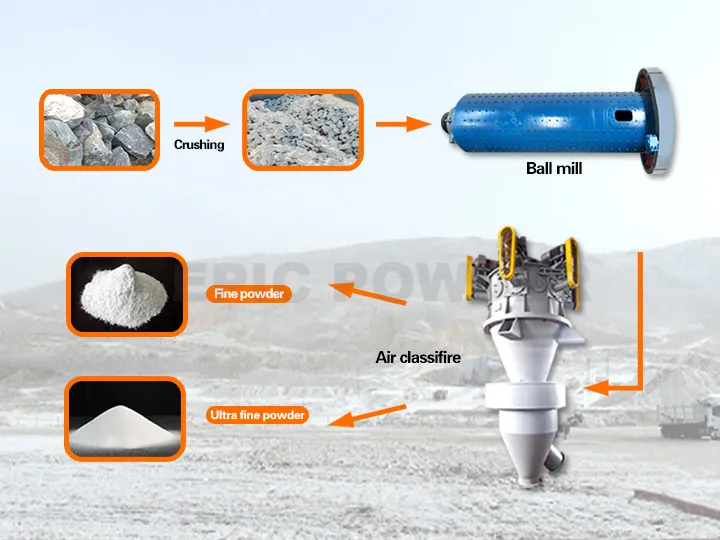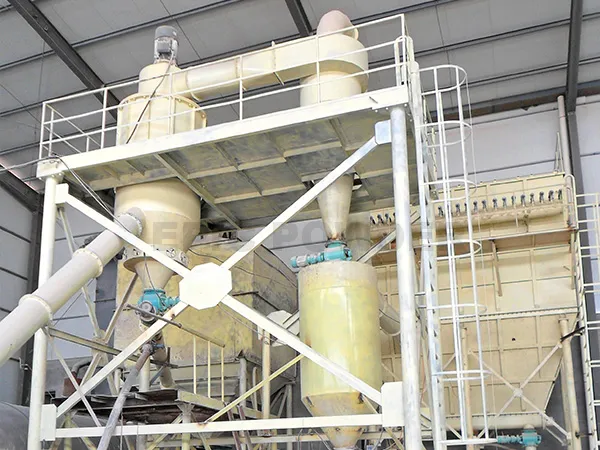
I. Tại sao việc lựa chọn máy nghiền thạch anh phù hợp lại quan trọng
Bột thạch anh là một trong những nguyên liệu khoáng công nghiệp được sử dụng rộng rãi nhất, đóng vai trò quan trọng trong các ngành công nghiệp như sản xuất thủy tinh, gốm sứ, điện tử, sơn phủ, cao su, nhựa và chất độn tiên tiến. Khi yêu cầu ứng dụng ngày càng tăng, đặc biệt là trong các ngành công nghiệp cao cấp và chính xác, bột thạch anh ngày càng cần có kích thước hạt mịn hơn, phân bố kích thước hẹp hơn và độ tinh khiết cao hơn. Tuy nhiên, thạch anh không phải là vật liệu dễ gia công. Với độ cứng Mohs xấp xỉ 7, thạch anh có tính mài mòn cao và khó nghiền. Việc lựa chọn thiết bị không phù hợp có thể dẫn đến mài mòn quá mức, kiểm soát kích thước hạt không ổn định, tiêu thụ năng lượng cao và ô nhiễm sản phẩm cuối cùng. Do đó, việc lựa chọn máy nghiền phù hợp cho việc nghiền bột thạch anh không chỉ là một quyết định kỹ thuật mà còn là yếu tố then chốt ảnh hưởng đến hiệu quả sản xuất, chất lượng sản phẩm và chi phí vận hành dài hạn. Bài viết này giải thích cách lựa chọn thiết bị nghiền phù hợp cho việc nghiền bột thạch anh, so sánh các công nghệ nghiền phổ biến và giới thiệu giải pháp máy nghiền khí nén MQW của Epic Powder để sản xuất bột thạch anh siêu mịn.
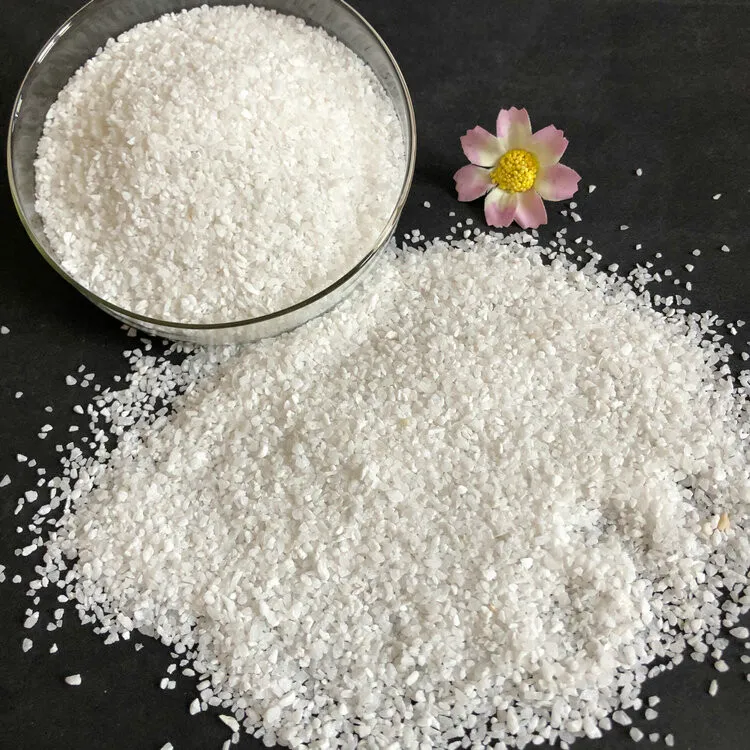
II. Các đặc tính chính của thạch anh ảnh hưởng đến hiệu suất mài
2.1 Độ cứng và khả năng chống mài mòn cao
Thạch anh là một loại khoáng chất cứng với khả năng chống mài mòn cao. Trong quá trình nghiền, nó gây ra sự mài mòn đáng kể cho vật liệu nghiền, lớp lót và các bộ phận bên trong của máy nghiền thông thường. Điều này làm cho việc lựa chọn vật liệu thiết bị và bảo vệ chống mài mòn trở nên vô cùng quan trọng, đặc biệt là đối với sản xuất liên tục trong thời gian dài.
2.2 Kích thước và phân bố hạt mục tiêu
Các ngành công nghiệp khác nhau yêu cầu kích thước hạt khác nhau, từ bột thô đến các loại siêu mịn dưới 10 micron. Tính giòn tự nhiên của thạch anh cho phép nghiền được, nhưng việc đạt được sự phân bố kích thước hạt hẹp phụ thuộc rất nhiều vào loại máy nghiền. Máy nghiền phải đảm bảo cả độ chính xác và tính nhất quán để đáp ứng các yêu cầu về kích thước hạt cụ thể của từng ứng dụng. Các ứng dụng khác nhau đòi hỏi các mức độ mịn khác nhau:
Vật liệu trám khe kính và vật liệu xây dựng: D50 20–45 μm
Gốm sứ và lớp phủ: D50 10–20 μm
Vật liệu điện tử và chất độn cao cấp: D50 dưới 10 μm
Bên cạnh kích thước hạt trung bình, tính nhất quán của phân bố kích thước hạt cũng quan trọng không kém. Phân bố kích thước hạt hẹp giúp cải thiện hiệu suất sản phẩm và độ ổn định của các quy trình chế biến tiếp theo.
2.3 Kiểm soát độ tinh khiết và ô nhiễm
Đối với các ứng dụng như điện tử, gốm sứ chính xác và chất độn có độ tinh khiết cao, việc kiểm soát ô nhiễm kim loại phải được thực hiện nghiêm ngặt. Các phương pháp mài truyền thống dựa vào vật liệu mài có thể đưa tạp chất vào do mài mòn, làm giảm giá trị sản phẩm cuối cùng.
III. Các loại máy nghiền phổ biến dùng để nghiền bột thạch anh
Máy nghiền bi
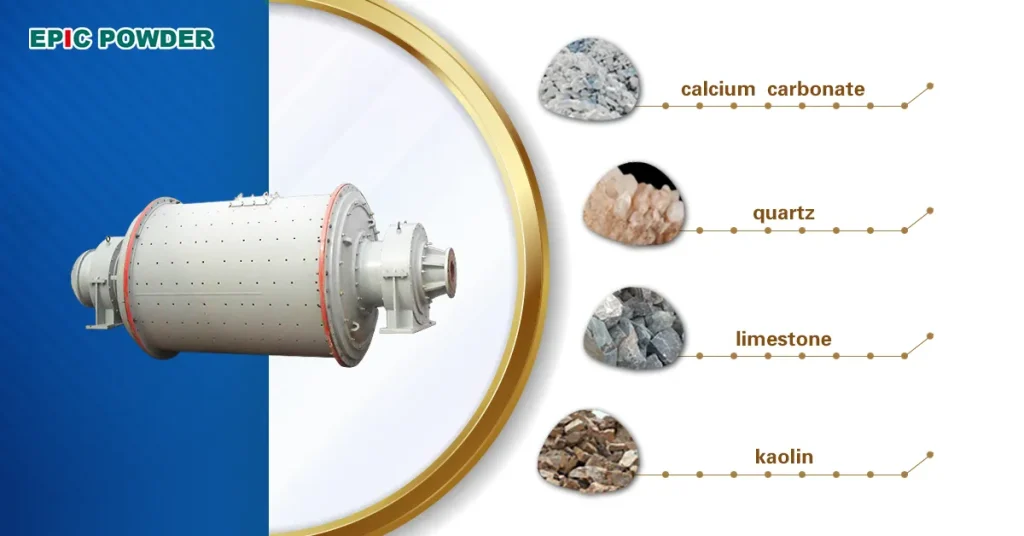
Máy nghiền bi là lựa chọn phổ biến và tiết kiệm chi phí nhất để nghiền bột thạch anh. Nó xử lý tốt các khoáng chất cứng và tạo ra nhiều kích thước hạt khác nhau, từ cát thô đến bột mịn. Tuy nhiên, vì thạch anh có tính mài mòn cao, máy nghiền bi thường bị mài mòn nhiều hơn, đặc biệt là ở lớp lót và vật liệu nghiền. Nhiều người dùng vẫn chọn máy nghiền bi cho sản xuất quy mô lớn hoặc khi họ không cần bột siêu mịn. Nếu bạn đang so sánh hiệu suất hoặc chi phí, bạn có thể xem bảng so sánh chi tiết giữa máy nghiền bi và máy nghiền khí nén tại đây. So sánh máy nghiền bi và máy nghiền khí nén trong quá trình nghiền thạch anh. (https://www.quartz-grinding.com/ball-mill-vs-jet-mill-for-quartz-grinding-advantages-comparison/).
Máy nghiền Raymond / Máy nghiền trục lăn
Máy nghiền Raymond và máy nghiền trục lăn là lựa chọn lý tưởng khi bạn cần độ mịn ổn định ở mức trung bình. Chúng hoạt động tốt với bột thạch anh có kích thước từ 80–400 mesh và tiêu thụ năng lượng thấp hơn so với máy nghiền bi. Chúng cũng vận hành êm ái trong thời gian dài sử dụng công nghiệp. Loại máy nghiền này thường được sử dụng trong vật liệu xây dựng, chất độn và các ứng dụng hóa học, nơi kích thước hạt đồng nhất quan trọng hơn so với việc nghiền siêu mịn.
Máy nghiền tia khí (Máy nghiền tia khí)
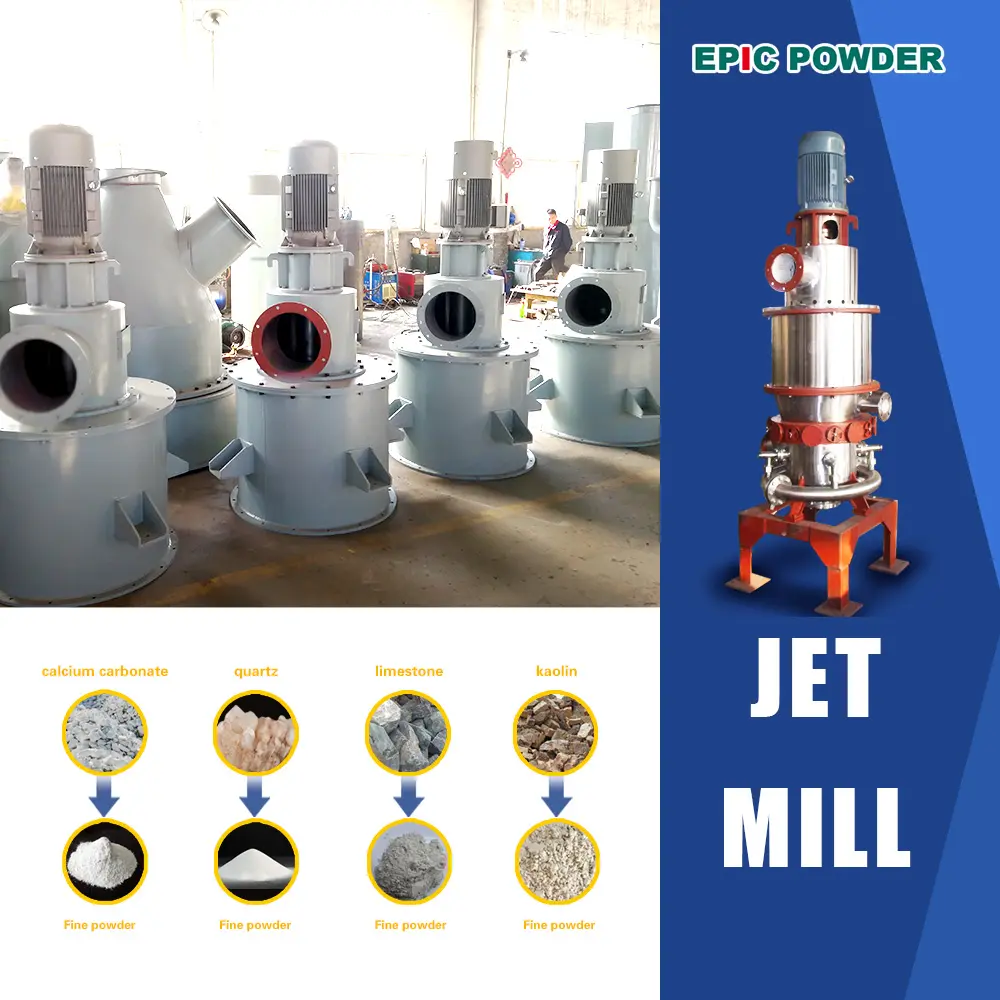
Máy nghiền khí nén sử dụng luồng khí tốc độ cao thay vì vật liệu nghiền, do đó rất phù hợp để nghiền bột thạch anh siêu mịn và có độ tinh khiết cao. Nó có thể đạt được kích thước dưới micromet mà không bị nhiễm bẩn kim loại, đó là lý do tại sao nó được sử dụng rộng rãi trong ngành điện tử, gốm sứ tiên tiến và vật liệu đặc biệt. Nếu bạn đang tìm hiểu về các hệ thống nghiền bột siêu mịn, bạn có thể muốn xem xét sự khác biệt giữa máy nghiền khí nén và máy nghiền phân loại trong sản xuất bột thạch anh. Sản xuất bột thạch anh bằng hệ thống máy nghiền khí nén. (https://www.quartz-grinding.com/quartz-powder-production-jet-mill-or-classifier-mill/).
IV. So sánh: Loại máy nghiền nào tốt nhất để nghiền thạch anh?
Khả năng kích thước hạt
Mỗi loại máy nghiền tạo ra dải kích thước hạt rất khác nhau.
- Máy nghiền bi thường đạt kích thước hạt từ 45–150 micron.
- Máy nghiền Raymond/máy nghiền trục lăn cho ra sản phẩm có kích thước hạt từ 20–45 micron.
- Máy phay tia nước có thể nghiền đến độ siêu mịn thực sự, thường xuống đến d97 5–10 micron, lý tưởng cho các sản phẩm thạch anh cao cấp.
Đối với bất kỳ ai muốn sản xuất bột thạch anh siêu mịn không chứa sắt, máy nghiền khí nén thường là lựa chọn đáng tin cậy nhất, tương tự như những gì chúng tôi đạt được trong các dự án nghiền thạch anh siêu mịn đến kích thước d97 10 micron.
Độ tinh khiết của sản phẩm và rủi ro ô nhiễm
Thạch anh có tính mài mòn, vì vậy bất kỳ máy nghiền nào sử dụng vật liệu nghiền cơ học (như máy nghiền bi) đều làm tăng nguy cơ nhiễm bẩn kim loại. Máy nghiền trục lăn giảm thiểu rủi ro này nhưng vẫn dựa vào tiếp xúc vật lý. Máy nghiền tia khí hoàn toàn tránh được quá trình nghiền dựa trên tiếp xúc, giúp duy trì độ tinh khiết cao và hàm lượng sắt cực thấp. Điều này rất quan trọng đối với các thị trường thạch anh có độ tinh khiết cao như chất bán dẫn và vật liệu quang học, thường được thảo luận trong các bài viết của chúng tôi. các hướng dẫn bột thạch anh có độ tinh khiết cao.
Mức tiêu thụ năng lượng và chi phí vận hành
Máy nghiền bi có chi phí vận hành thấp hơn nhưng hiệu quả kém hơn đối với các loại vật liệu mịn. Máy nghiền trục lăn là sự lựa chọn trung hòa giữa chi phí và độ mịn. Máy nghiền khí nén tiêu thụ nhiều năng lượng hơn, nhưng khi mục tiêu là thạch anh có kích thước dưới 10 micron, chúng mang lại hiệu quả tổng thể tốt nhất vì đạt được kích thước mục tiêu chỉ với ít lần nghiền hơn và ít hao mòn hơn.
Năng lực sản xuất và khả năng mở rộng
Máy nghiền bi dễ dàng mở rộng quy mô để xử lý khối lượng rất lớn. Máy nghiền trục lăn cũng xử lý tốt các công suất từ trung bình đến lớn. Máy nghiền tia hoạt động ở năng suất trên mỗi đơn vị thấp hơn, nhưng chúng vượt trội khi bạn cần chất lượng siêu mịn ổn định hơn là khối lượng lớn. Đối với thạch anh có giá trị cao, độ tinh khiết cao, sự đánh đổi này thường đáng giá.
V. Cách chọn máy nghiền phù hợp cho dự án nghiền thạch anh của bạn
Xác định các yêu cầu của sản phẩm cuối cùng
Tôi luôn bắt đầu bằng sản phẩm cuối cùng khi chọn máy nghiền thạch anh. Độ mịn mục tiêu, hình dạng hạt và độ tinh khiết sẽ quyết định mọi thứ khác. Đối với bột thô, máy nghiền bi là lựa chọn phù hợp. Đối với bột mịn hoặc siêu mịn, máy nghiền khí nén hoặc máy nghiền trục lăn thường là lựa chọn tốt hơn. Nếu bạn không chắc chắn thiết bị nào phù hợp với thông số kỹ thuật mục tiêu của mình, việc so sánh các lựa chọn với các nguồn tài liệu phân tích chi tiết sự khác biệt giữa các loại máy sẽ rất hữu ích. các thiết bị mài thạch anh khác nhauchẳng hạn như hướng dẫn về các loại máy xay khác nhau tại https://www.quartz-grinding.com/a-closer-look-at-the-different-types-of-quartz-grinding-equipment-available/.
Hãy xem xét năng lực sản xuất và sản lượng.
Bước tiếp theo là lựa chọn máy nghiền phù hợp với khối lượng sản xuất của bạn.
Các bước kiểm tra chính bao gồm:
- Số tấn cần thiết mỗi giờ
- Xử lý liên tục so với xử lý theo mẻ
- Giới hạn không gian và năng lượng
Các hệ thống có công suất lớn không phải lúc nào cũng hiệu quả nhất, vì vậy tôi điều chỉnh công suất phù hợp với nhu cầu thực tế của thị trường thay vì xây dựng quá mức cần thiết.
Đánh giá tình trạng hao mòn và bảo trì thiết bị
Thạch anh cực kỳ cứng, vì vậy sự mài mòn là không thể tránh khỏi. Khi chọn thiết bị, tôi xem xét kỹ lưỡng các yếu tố sau:
- Vật liệu lót
- Tuổi thọ của vật liệu mài
- Khoảng thời gian bảo trì
- Dễ dàng thay thế linh kiện
Máy nghiền bi thường bị mòn nhanh hơn, trong khi máy nghiền khí nén giảm thiểu tiếp xúc cơ học và giúp giữ mức độ ô nhiễm thấp—đặc biệt là đối với bột thạch anh có độ tinh khiết cao.
Thử nghiệm quá trình mài trước khi lựa chọn thiết bị cuối cùng.
Việc lựa chọn nhà máy có khả năng kiểm tra chất lượng là rất quan trọng. Quá trình nghiền thử nghiệm cho thấy sản lượng thực tế, mức tiêu thụ năng lượng và độ tinh khiết. Điều này giúp bạn xác thực khoản đầu tư trước khi mở rộng quy mô. Nhiều khách hàng của chúng tôi so sánh dữ liệu thử nghiệm với các dự án tương tự—bao gồm cả... Cấu hình máy nghiền bi và máy phân loạiDưới đây là một hướng dẫn nhanh bạn có thể tham khảo:
Danh sách kiểm tra lựa chọn nhà máy
- Xác định độ mịn của mục tiêu
- Xác nhận nhu cầu về công suất
- So sánh chi phí hao mòn và chi phí vận hành
- Chạy thử nghiệm mài
Cách tiếp cận này giúp tránh phỏng đoán và đảm bảo rằng máy nghiền bạn chọn phù hợp với dự án bột thạch anh của bạn.
VI. Tại sao máy nghiền khí nén thường là lựa chọn tốt nhất cho bột thạch anh siêu mịn
Máy nghiền phản lực nổi bật khi tôi cần. bột thạch anh siêu mịn Với sự phân bố hạt đồng đều và nguy cơ ô nhiễm bằng không. Vì quá trình nghiền diễn ra thông qua va chạm không khí tốc độ cao thay vì tác động cơ học, thạch anh luôn sạch sẽ và các bộ phận của máy nghiền không bị mòn nhanh chóng. Điều này rất quan trọng đối với các ngành công nghiệp như bán dẫn, thủy tinh, sơn phủ và chất độn có độ tinh khiết cao.
Điều gì khiến máy nghiền tia khí trở nên khó bị đánh bại trong việc nghiền thạch anh siêu mịn:
- Chúng có thể đạt kích thước cực nhỏ, xuống đến phạm vi dưới micromet.
- Không có sự tiếp xúc với kim loại đồng nghĩa với việc không có sự nhiễm bẩn trong bột thạch anh có độ tinh khiết cao.
- Chúng đảm bảo phân bố kích thước hạt đồng đều, giúp duy trì chất lượng sản phẩm ổn định.
- Chúng có thể xử lý các khoáng chất cứng như thạch anh mà không gây hao mòn quá mức hoặc thời gian ngừng hoạt động.
Đối với những dự án mà độ tinh khiết, chất lượng và độ tin cậy là không thể thiếu, tôi thường dựa vào... máy nghiền phun tầng sôiCác hệ thống như của chúng tôi máy nghiền phun tầng sôi nằm nganghoặc thậm chí là một thiết kế tầng sôi thẳng đứng Để kiểm soát chặt chẽ hơn, chúng được chế tạo đặc biệt cho các khoáng chất có độ cứng cao như thạch anh. Bạn có thể thấy các công nghệ này hoạt động trong các giải pháp máy nghiền phun tầng sôi nằm ngang của chúng tôi tại [địa chỉ web]. https://www.quartz-grinding.com/products/horizontal-fluidized-bed-jet-mill/.
Bột Epic
Tại Bột EpicChúng tôi tập trung vào việc cung cấp các hệ thống nghiền xử lý độ cứng của thạch anh trong khi vẫn duy trì độ tinh khiết cao và chi phí vận hành thấp. Máy nghiền khí nén, máy phân loại và dây chuyền nghiền trọn gói của chúng tôi được chế tạo để kiểm soát kích thước hạt ổn định, xử lý sạch sẽ và tuổi thọ cao. Nếu bạn đang nhắm đến các loại thạch anh siêu mịn cho chất độn, lớp phủ hoặc các ứng dụng cao cấp, máy nghiền khí nén của chúng tôi cung cấp độ chính xác và hiệu suất không gây ô nhiễm mà các nhà sản xuất thạch anh tin cậy. Bạn cũng có thể tìm hiểu cách thạch anh hoạt động trong các ứng dụng khác nhau trong phân tích ngắn gọn của chúng tôi về... Điều chỉnh và ứng dụng bột thạch anh.

Cảm ơn bạn đã đọc. Tôi hy vọng bài viết của tôi có ích. Vui lòng để lại bình luận bên dưới. Bạn cũng có thể liên hệ với đại diện khách hàng trực tuyến của EPIC Powder Zelda để biết thêm bất kỳ thông tin nào khác.”
— Jason Wang, Kỹ sư cao cấp