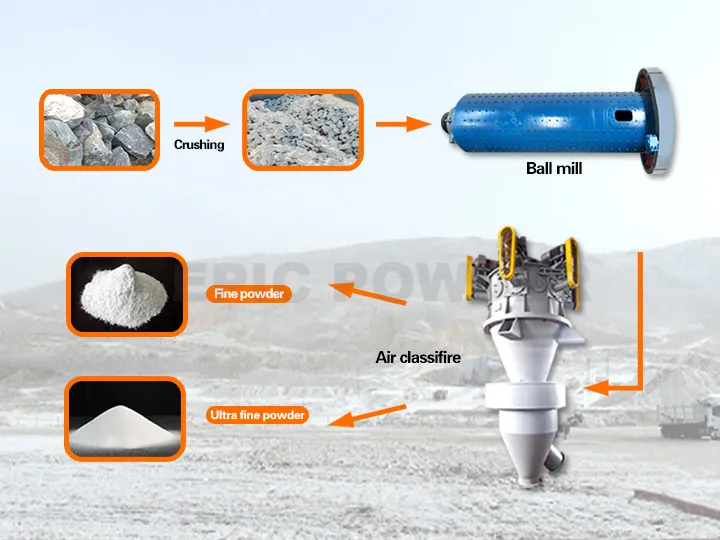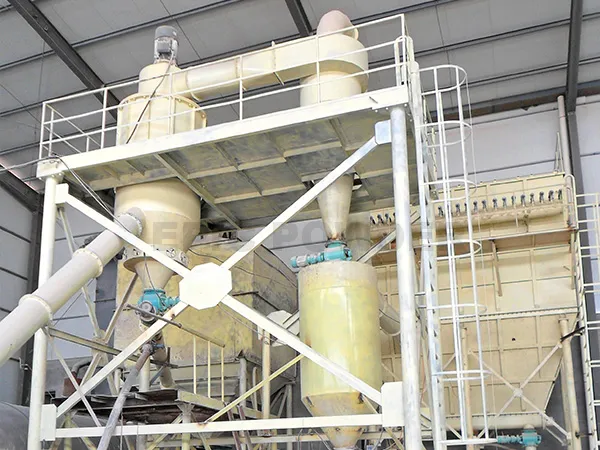
Стекловолокно (стекловолокно) Это один из важнейших армирующих материалов в современном производстве, используемый во всем: от лопастей ветряных турбин и фюзеляжей самолетов до печатных плат и кузовных панелей автомобилей. Его эксплуатационные характеристики начинают проявляться задолго до волочильной печи — они зависят от качества сырья и точности процессов измельчения минералов, используемых для его подготовки.
В этом руководстве рассматривается вся картина: основные сырьевые минералы, используемые в производстве стекловолокна, роль измельчения кварцевого песка и обработки порошка, две основные технологии производства, а также выдающиеся свойства, которые делают стекловолокно незаменимым в различных отраслях промышленности.
Для производителей стекловолокна и закупочных команд качество сырья — особенно чистота кварцевого песка и однородность размера частиц — является наиболее важным контролируемым фактором, влияющим на характеристики стекловолокна. Контроль осуществляется на оборудовании для измельчения и классификации.
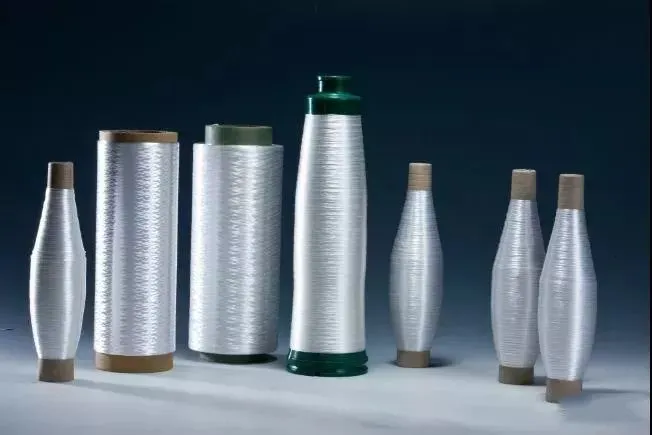
1. Сырье для производства стекловолокна
Стекловолокно — это неорганический неметаллический материал, основные оксидные компоненты которого — SiO₂, Al₂O₃, CaO и MgO — составляют приблизительно 901 TP3T от общего состава. Эти оксиды вводятся из природного минерального сырья, которое измельчается в порошок. Они образуют точную формулу и плавятся при температурах от 1500°C до 1600°C.
С точки зрения структуры затрат на сырье, на минеральные руды (кварцевый песок, пирофиллит, известняк и другие) приходится примерно 21,71 тыс. тонн общей себестоимости производства стекловолокна. Кварцевый песок и пирофиллит являются двумя крупнейшими компонентами в этой доле, поэтому экономика их измельчения и переработки напрямую влияет на общую себестоимость производства.
| Сырые минералы | Первичный вклад оксидов | Ключевая роль в производстве стекловолокна | Требования к обработке |
| Кварцевый песок (кремнеземный песок) | SiO₂ | Стеклообразующий материал; прочность и химическая стойкость. | Сверхтонкое измельчение; высокая чистота (низкое содержание Fe₂O₃) |
| Пирофиллит | Al₂O₃ + SiO₂ | Вводит оксид алюминия; повышает механическую прочность. | Шлифовка по спецификации; 16-22% Al₂O₃ оптимальная |
| Каолин | Al₂O₃ + SiO₂ | Альтернатива/дополнение к пирофиллиту | Магнитная сепарация + прокаливание для уменьшения количества примесей. |
| Известняк | CaO | Флюс; улучшает текучесть расплава и прочность. | Тонкое измельчение для обеспечения однородности партии |
| Доломит | CaO + MgO | Флюс и стабилизатор | Тонкий помол |
| Колеманит / Шальбелит | Б₂О₃ | Снижает температуру плавления; улучшает формование волокон. | Контролируемый размер частиц |
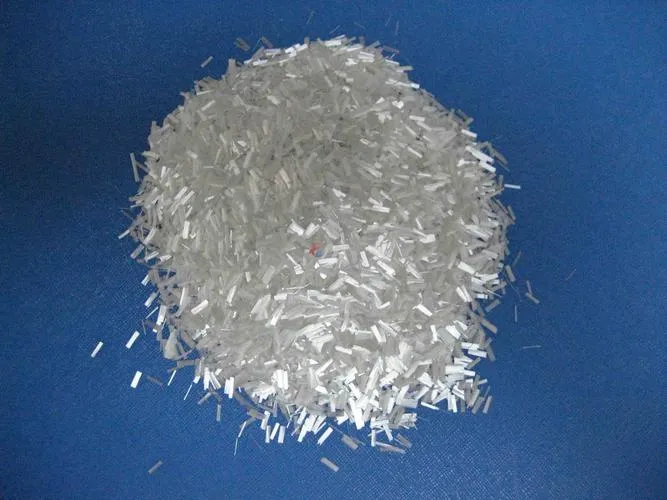
1.1 Кварцевый песок — основа стекловолокна
Кварцевый песок (кремнеземный песок) является основным источником SiO₂ и крупнейшим по объему сырьевым материалом в производстве стекловолокна. Диоксид кремния образует трехмерную сетчатую основу стекла, напрямую определяя прочность на разрыв, химическую стойкость и термическую стабильность готового волокна.
Китай обладает богатыми запасами кварца, распределенными по большинству провинций, с основными районами добычи в Дунхае и Синьи (Цзянсу), Фэнъяне и Бэнбу (Аньхой), Цичуне (Хубэй), Хэюане (Гуандун), Инане (Шаньдун) и Линшоу (Хэбэй). Запасы в основном небольшие и средние и разрозненные, что обуславливает необходимость эффективной и стабильной переработки на уровне предприятий.
Для кварцевого песка, используемого в производстве стекловолокна, критически важными технологическими требованиями являются:
• Чистота SiO₂ — обычно >99%, при этом содержание Fe₂O₃ и TiO₂ сведено к минимуму во избежание изменения цвета и дефектов.
• Постоянство размера частиц — процесс измельчения кварцевого песка должен обеспечивать плотное, контролируемое распределение частиц по размерам для равномерного плавления партии.
• Отсутствие загрязнений — перед измельчением необходимо удалить посторонние минеральные примеси и органические материалы.
Компания Epic Powder Machinery проектирует и производит шаровые мельницы, мельницы Раймонда и воздушные классификаторы, специально оптимизированные для измельчения кварцевого песка, обеспечивая чистоту SiO₂ и стабильность размера частиц, необходимые для подготовки сырья для производства стекловолокна.

1.2 Пирофиллит
Пирофиллит — это слоистый алюмосиликатный глинистый минерал (Al₂Si₄O₁₀(OH)₂) с соотношением сторон 2:1, используемый в производстве стекловолокна в основном в качестве источника оксида алюминия. Он заменяет более дорогие соединения алюминия, снижая при этом производственные затраты и улучшая механическую прочность. Оптимальная массовая доля Al₂O₃ для применения в стекловолокне составляет 16-22% — среднеглиноземистый пирофиллит. Как избыточное, так и недостаточное содержание Al₂O₃ влияют на процесс плавления и конечные свойства волокна, поэтому точное измельчение и классификация пирофиллита имеют важное значение.
1.3 Каолин
Каолин содержит как SiO₂, так и Al₂O₃ и является предпочтительной альтернативой пирофиллиту среди европейских и американских производителей стекловолокна. В Китае твердый каолин — с его природным высоким содержанием SiO₂ и Al₂O₃ — после обработки может соответствовать требованиям к сырью для производства стекловолокна. Ключевыми этапами обработки являются магнитная сепарация и флотация (для снижения содержания примесей Fe₂O₃ и TiO₂), за которыми следует прокаливание (для снижения ХПК). После этих этапов твердый каолин становится стабильным, высококачественным компонентом для производства стекловолокна.
1.4 Химические добавки: проклеивающие агенты
Помимо минерального сырья, производство стекловолокна зависит от пропиточных агентов — химических составов, наносимых на волокна сразу после вытягивания. Пропиточные агенты выполняют несколько важных функций:
- Соединение отдельных нитей в пряди с требуемой прочностью на разрыв.
- Предотвращение слипания пряжи во время размотки и последующей обработки.
- Защита волокон от истирания в процессе ткачества, рубки и других производственных этапов.
- Придание свойств, специфичных для конкретного применения: коллимация для тканых материалов, измельчаемость для SMC/BMC, диспергируемость для нетканых материалов, полученных мокрым способом.
- Улучшение адгезии на границе раздела волокно-смола — критически важно для механических характеристик композитных материалов.
Основными химическими сырьевыми материалами для проклеивающих агентов являются борная кислота и кальцинированная сода, которые подбираются и составляются в зависимости от предполагаемого конечного применения изделия из стекловолокна.
2. Технологии производства стекловолокна
В промышленности для производства стекловолокна используются две технологии. Они существенно различаются по масштабу, эффективности и стабильности качества продукции.
2.1 Чертеж печи прямого плавления (ванночной печи) — основной метод
Метод прямой плавки в печи составляет подавляющее большинство мирового производства стекловолокна. В процессе производства операторы точно взвешивать, смешивать и непрерывно подавать. Сырые минеральные порошки — кварцевый песок, пирофиллит, известняк, доломит, колеманит, сальбелит и другие — помещаются в большую печь-резервуар, где они таять Смесь при температуре 1500–1600 °C. Затем однородный расплав стекла поступает в печь, и они рисовать через многоотверстные платино-родиевые втулки в непрерывные нити накаливания.
Ключевые этапы процесса:
- Подготовка сырья — строгий просеивание, измельчение и смешивание для обеспечения чистоты, размера частиц и точности рецептуры; именно здесь оборудование для измельчения кварца играет решающую роль на начальном этапе.
- Плавка — непрерывный процесс в печи с точным контролем температуры и перемешиванием для обеспечения однородности расплава.
- Щелчок — расплав стекла протягивается через отверстия во втулке (обычно от 200 до 8000 отверстий на втулку) при тщательно контролируемых температурах и скоростях; количество и диаметр отверстий определяют диаметр нити и скорость подачи.
- Нанесение проклеивающего состава — водный проклеивающий состав наносится на нити сразу после их выхода из втулки.
- Намотка/сбор — нити определённого размера наматываются на формовочные пакеты или собираются в виде рубленых нитей.
- Скручивание (при необходимости) — нити скручиваются на основных скручивающих машинах для достижения заданного уровня скручивания, необходимого для производства пряжи.
Метод прямой плавки обеспечивает высокую эффективность производства, стабильное качество продукции и низкую себестоимость килограмма, но его производительность зависит от условий на начальном этапе. Размер частиц сырья, чистота и однородность партии, определяемые измельчающим оборудованием, напрямую влияют на производительность печи и качество волокна.
2.2 Метод извлечения тигля — традиционный, в настоящее время в значительной степени выведен из употребления.
Тигельный метод — это традиционный периодический процесс: сырье плавится в отдельных тиглях, а нити вытягиваются вручную или механически через одно- или многоотверстную втулку в основании тигля. Хотя инвестиции в оборудование невелики, этот метод страдает от низкой производительности, непостоянной температуры расплава и переменного диаметра волокон. Крупные производители стекловолокна почти полностью заменили его методом прямой плавки в печи. Тигельный процесс по-прежнему используется в ограниченном объеме для специализированных или сверхмалых производств.
| Критерий | Печь прямого плавления | Рисунок Тигля |
| Масштабы производства | Высокий — непрерывный, промышленный | Низкий — серийный, мелкомасштабный |
| Стабильность качества продукции | Высококонтролируемый химический состав расплава | Переменные — колебания температуры |
| Стоимость за кг | Низкий | Высокий |
| Капитальные инвестиции | Высокий | Низкий |
| Текущее состояние отрасли | Доминирующий глобальный метод | В значительной степени выведены из эксплуатации |
| Требования к сырью | Точно отшлифованный, с равномерным распределением частиц по размерам. | Менее строгие, но всё ещё важные требования. |
3. Основные свойства стекловолокна
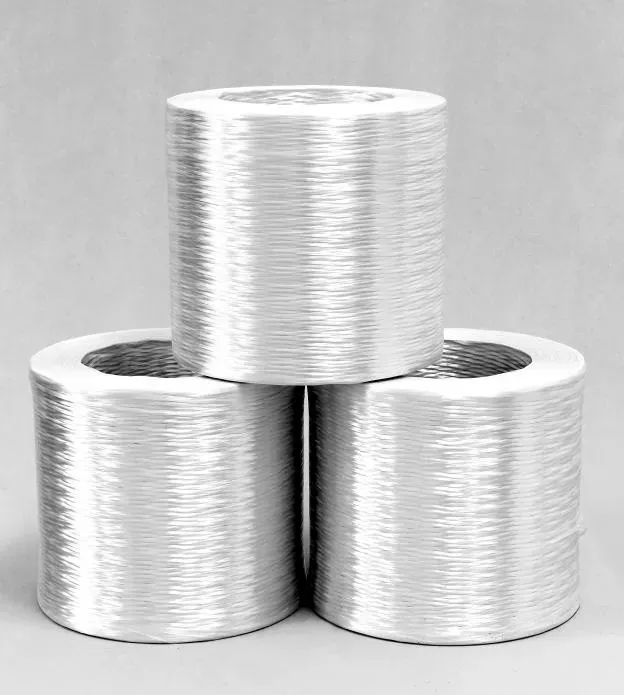
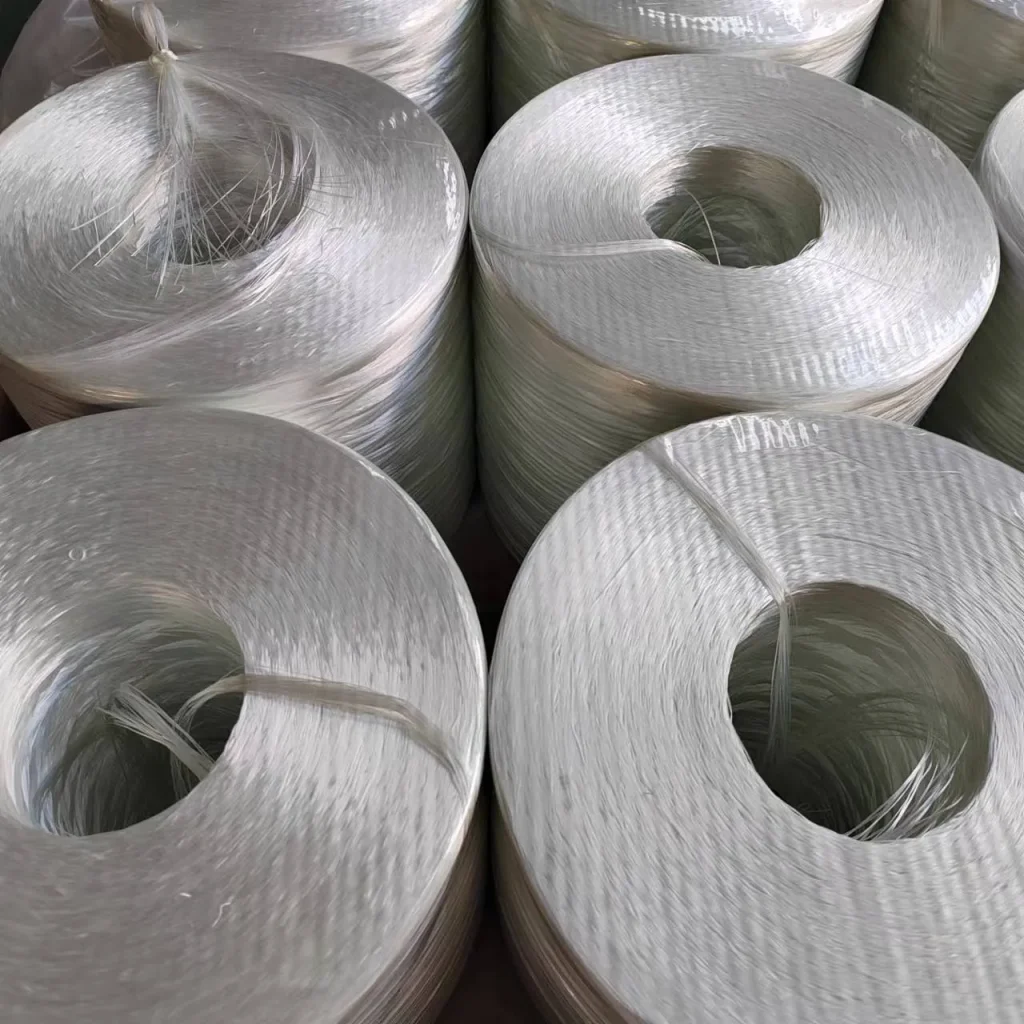
Ценность стекловолокна обусловлена сочетанием свойств, которым могут одновременно обладать лишь немногие другие материалы. Понимание этих свойств помогает выбрать подходящий сорт волокна для каждого конкретного применения.
| Свойство | Типичное значение / Характеристика | Значение |
| Предел прочности | >1000 МПа | Прочнее многих конструкционных металлов, при этом весит значительно меньше. |
| Плотность | 2,5-2,7 г/см³ | Примерно в три раза менее плотная, чем сталь. |
| Температура длительной эксплуатации | 200-300°C непрерывный | Стабилен в различных промышленных температурных условиях. |
| Электрическое сопротивление | Высокий | Отличный изолятор для электронных и электротехнических применений. |
| Коррозионная стойкость | Устойчив к кислотам, щелочам и солям. | Длительный срок службы в агрессивных химических средах. |
| Модуль упругости | 70-90 ГПа (E-стекло) | Высокая жесткость относительно веса |
3.1 Высокая прочность на разрыв
Обладая пределом прочности на растяжение, превышающим 1000 МПа, стекловолокно значительно превосходит обычное стекло и многие конструкционные металлы по показателю веса. Эта прочность передается матрице в композитах из стекловолокна, армированного пластиком (GFRP), что позволяет создавать легкие конструкционные элементы в автомобильной, морской и строительной отраслях.
3.2 Коррозионная и химическая стойкость
Стекловолокно сохраняет стабильные характеристики при воздействии кислот, щелочей и солей, которые быстро разрушают металлы. Это делает его предпочтительным материалом для резервуаров для хранения химикатов, трубопроводных систем из стекловолокна, башен десульфуризации и оборудования для очистки сточных вод — в тех случаях, когда длительный срок службы и низкие затраты на техническое обслуживание являются критически важными критериями выбора.
3.3 Электроизоляция
Высокое электрическое сопротивление и диэлектрическая прочность делают стекловолокно незаменимым материалом в производстве электроники. Подложки для печатных плат (FR-4 и его варианты) представляют собой эпоксидные ламинаты, армированные стекловолокном. Стекловолокно обеспечивает стабильность размеров и электрическую изоляцию между слоями схемы.
3.4 Термостойкость
Непрерывная эксплуатация при температурах 200-300°C и кратковременное воздействие более высоких температур позволяют использовать стекловолоконные композиты в качестве замены металлических компонентов в сложных температурных условиях, включая гондолы авиационных двигателей, компоненты промышленных печей и высокотемпературные выхлопные системы.
3.5 Легкий
Плотность стекловолокна составляет 2,5-2,7 г/см³, что примерно в три раза меньше плотности стали. В сочетании с высокой удельной прочностью это делает композиты из стекловолокна предпочтительным выбором везде, где снижение веса является определяющим фактором при проектировании — от аэрокосмических конструкций и гоночных автомобилей до лопастей ветряных турбин и спортивного инвентаря.
4. Применение стекловолокна в различных отраслях промышленности
4.1 Строительство
Стекловолокно армирует цемент, гипсокартон и фасадные панели, повышая прочность на растяжение и устойчивость к растрескиванию. Оно также широко используется в теплоизоляционных матах и одеялах, кровельных мембранах и гидроизоляционных мембранах. Сочетание прочности, малого веса и устойчивости к атмосферным воздействиям делает композиты из стекловолокна долговечной и экономически выгодной альтернативой традиционным строительным материалам.
4.2 Энергетика — Ветровая энергия
Лопасти ветротурбин представляют собой крупнейшее в мире применение стекловолокна по объему. Современные лопасти, длина которых может превышать 100 метров, изготавливаются из эпоксидных или полиэфирных композитов, армированных стекловолокном. Лопасти должны выдерживать циклические усталостные нагрузки в течение 20-25 лет эксплуатации — это жесткое требование, которому может надежно соответствовать только высококачественное, однородное стекловолокно.
4.3 Электроника и печатные платы
Стекловолокно составляет структурную основу подложек печатных плат FR-4. К ним относится стандартный ламинат, используемый практически во всей бытовой электронике, системах промышленного управления и телекоммуникационном оборудовании. Стекловолокно также обеспечивает оболочку для оптоволоконных кабелей, защищая кремниевый сердечник и повышая прочность кабеля на разрыв.
4.4 Транспорт
В автомобильной, железнодорожной и аэрокосмической отраслях компоненты из стекловолокна используются в широком спектре применений: в автомобильной промышленности (кузовные панели, несущие конструкции). усилители, рессоры), железнодорожный транспорт (внутренние панели, шпалы, секции фюзеляжа) и аэрокосмическая промышленность (обшивка крыльев, секции фюзеляжа, гондолы двигателей, конструкции спутников, изоляция ракет). В каждом секторе основными факторами являются снижение веса, коррозионная стойкость и гибкость конструкции.
4.5 Химическая и экологическая инженерия
Сосуды, трубы и решетки из стекловолокна являются стандартным оборудованием на химических заводах, водоочистных сооружениях и в промышленных скрубберах. Коррозионная стойкость стекловолокна позволяет этим системам работать в агрессивных средах — кислотах, щелочах, рассолах — для которых потребовались бы дорогостоящие легированные металлы или частая замена обычного стального оборудования.
4.6 Спортивные и потребительские товары
Стержни клюшек для гольфа, рамы велосипедов, теннисные ракетки, байдарки, лыжные палки и удочки — это лишь некоторые из многочисленных спортивных товаров, в производстве которых стекловолокно играет важную роль благодаря своему соотношению прочности к весу и способности накапливать упругую энергию. Возможность регулировать жесткость и гибкость путем изменения ориентации волокон и содержания смолы делает композитные материалы из стекловолокна очень универсальными для создания высокоэффективного спортивного оборудования.
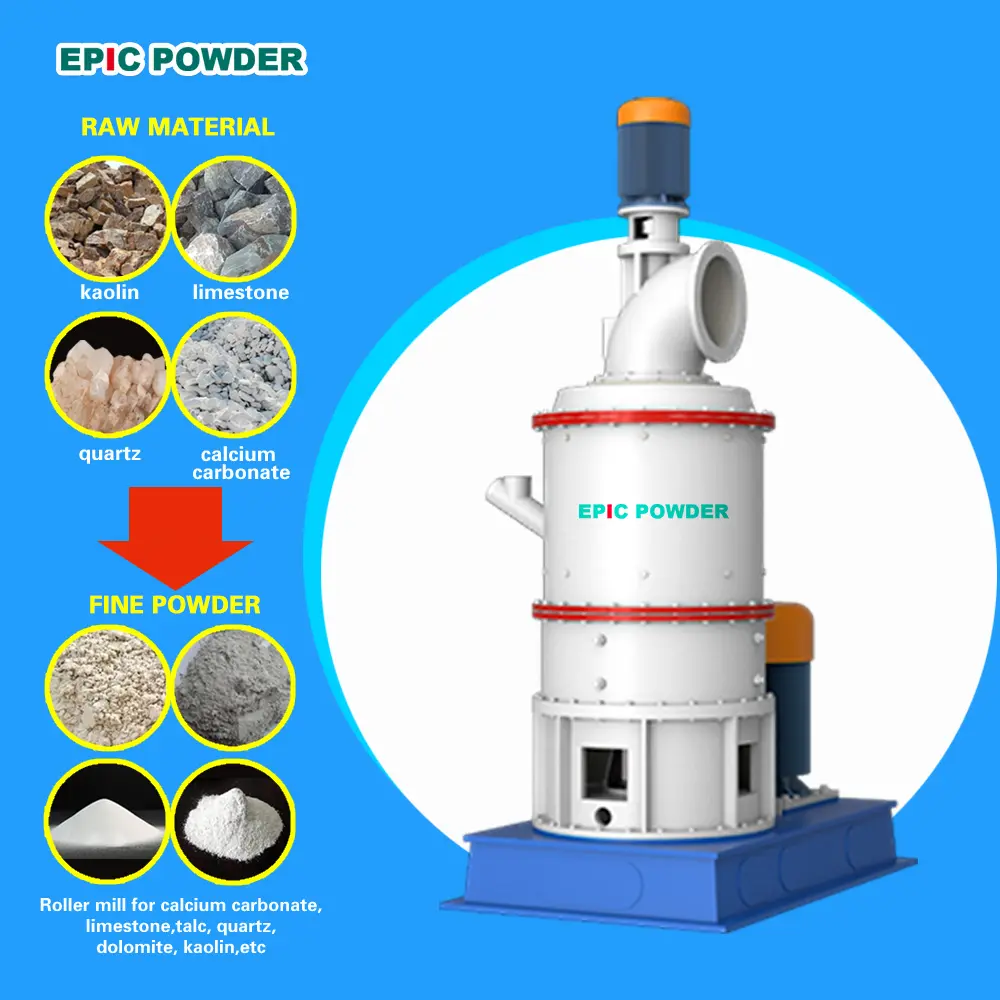
5. Шлифовка кварцевым песком стекловолокна: где найдёт своё место оборудование Epic Powder Machinery.
Каждая тонна произведенного стекловолокна начинается с тщательно измельченных минеральных порошков. Качество этих порошков — их чистота, гранулометрический состав и стабильность от партии к партии — определяет эффективность печи, стабильность волочения и механические свойства готового волокна. Именно здесь и начинается самое интересное. Epic Powder Machinery приносит непосредственную выгоду производителям стекловолокна.
Мы проектируем и производим полный спектр оборудования для измельчения и классификации минералов, необходимого для подготовки сырья для производства стекловолокна:
- Шаровые мельницы для кварцевого песка, пирофиллита, известняка и доломита — первичная и вторичная стадии измельчения.
- Мельницы Раймонда (маятниковые мельницы) для высокопроизводительного измельчения средне-мелкозернистого кварцевого песка.
- Сверхтонкие мельницы для измельчения кварца и каолина, где требуется плотное распределение частиц по размерам.
- Воздушные классификаторы — разделяют измельченный кварцевый песок и пирофиллит до точных точек разделения, обеспечивая распределение частиц по размерам в соответствии со спецификацией без превышения допустимых размеров.
- Системы модификации поверхности — для обработки минеральных порошков с целью улучшения совместимости с химическим составом стекловидных смесей.
- Комплексные линии по переработке порошковых материалов «под ключ» — от приемки сырья до получения классифицированного, упакованного и готового к выпуску порошка.
Компания Epic Powder Machinery, обладающая более чем 20-летним опытом в области переработки неметаллических минералов, сотрудничает с производителями сырья для производства стекловолокна и предприятиями по приготовлению порошковых смесей, разрабатывая, проектируя и вводя в эксплуатацию системы измельчения, адаптированные к конкретным минералам, целевым размерам частиц и производственным мощностям.
Контакт Epic Powder Machinery Обсудить измельчение кварцевого песка, переработку пирофиллита или комплексное оборудование для приготовления партий сырья для производства стекловолокна.

Заключение
Стекловолокно — это материал, характеристики которого определяются на начальном этапе производства. Это зависит от чистоты и размера частиц используемого для его изготовления сырья, а также от процессов измельчения и классификации, подготавливающих это сырье к печному производству. По мере роста спроса в ветроэнергетике, электромобилях, электронике 5G и аэрокосмической отрасли давление на качество и стабильность сырья будет только усиливаться.
Понимание всей цепочки, от кварцевого песка и пирофиллита до измельчения, плавления, волочения и проклейки, дает производителям стекловолокна и поставщикам сырья основу для принятия более обоснованных решений в отношении оборудования и технологических процессов. Компания Epic Powder Machinery является надежным партнером на важнейшем этапе этой цепочки.
Эпический порошок
В Эпический порошокМы предлагаем широкий выбор моделей оборудования и разрабатываем индивидуальные решения, отвечающие вашим конкретным потребностям. Наша команда имеет более чем 20-летний опыт в обработке различных порошков. Компания Epic Powder специализируется на технологиях обработки мелкодисперсных порошков для горнодобывающей, химической, пищевой, фармацевтической и других отраслей промышленности.
Свяжитесь с нами сегодня для бесплатной консультации и получения индивидуальных решений!
Спасибо за прочтение. Надеюсь, моя статья вам поможет. Пожалуйста, оставьте комментарий ниже. Вы также можете связаться с онлайн-представителем EPIC Powder. Зельда для любых дальнейших запросов».
— Эмили Чен, Инженер