Порошок кварца D97 с размером частиц 25 микрон занимает важное коммерчески значимое место на рынке. Он достаточно мелкий, чтобы использоваться в качестве наполнителя для покрытий, мелкодисперсных фракций искусственного камня и некоторых компаундов для литья электроники. Все это рынки с более высокой добавленной стоимостью, чем рынок стандартного строительного или стекловидного кварца. Использование струйной мельницы для такого диапазона тонкости — распространенная и дорогостоящая ошибка.
Главная сложность при размере частиц D97 (25 микрон) заключается не столько в тонкости помола, сколько в получении плотного и однородного распределения частиц по размерам с контролируемым верхним пределом D97, низким содержанием железа в измельчающем контуре и стабильной работой в течение длительных производственных циклов на абразивном материале с твердостью по шкале Мооса 7. Воздушный классификатор ITC в сочетании с керамической шаровой мельницей специально разработан для решения именно этих задач.
В этой статье объясняется принцип работы классификатора ITC, чем он отличается от стандартных воздухоотделителей на абразивных кварцевых поверхностях, а также как выглядят реальные производственные данные установленной системы.

Кварц D97 25 мкм: в каких рынках он нужен и что им требуется?
Не все области применения кварца требуют одинаковой тонкости помола или одинаковых требований к качеству. Кварц D97 толщиной 25 микрон специально предназначен для трех сегментов рынка, каждый из которых имеет свои критерии качества.
| Рынок | Типичный D97 | Чистота SiO2 | Ключевой фактор качества |
| Покрытия и наполнители для пластмасс | 10-45 мкм | 98-99% | Узкое распределение частиц по размерам для обеспечения хорошей диспергируемости; белизна выше 90. |
| Мелкодисперсная фракция искусственного камня | < 45 мкм | 99%+ | Плотное распределение частиц по размерам обеспечивает высокую плотность упаковки; снижает расход смолы. |
| Электронный / ЭМС-наполнитель | 5-25 мкм | 99.9%+ | Содержание железа ниже 30 ppm; контролируемые значения D97 и Dmax. |
Показатель D97 25 микрон находится в пределах диапазона спецификаций всех трех. Ценность ориентации на эту спецификацию заключается в гибкости рынка: производитель кварца, стабильно поддерживающий показатель D97 25 ± 2 микрона с содержанием Fe ниже 0,02%, может поставлять продукцию любому из этих клиентов. Ограничивающими факторами обычно являются стабильность показателя D97 в разных производственных циклах — которую контролирует классификатор — и уровень железа — который контролируется футеровкой мельницы и выбором мелющих тел.
В контексте электроники и электромагнитной совместимости, загрязнение железом от оборудования для измельчения стали является дисквалифицирующим фактором. Футеровка и мелющие элементы сталемельных мельниц вводят Fe2O3 в концентрациях, значительно превышающих предел в 30 ppm для кварца электронного качества, независимо от последующей магнитной сепарации. Описанная в данной статье конфигурация керамической мельницы с классификатором ITC решает эту проблему на источнике.
Классификатор ITC: как он работает и чем он отличается.
Принцип работы
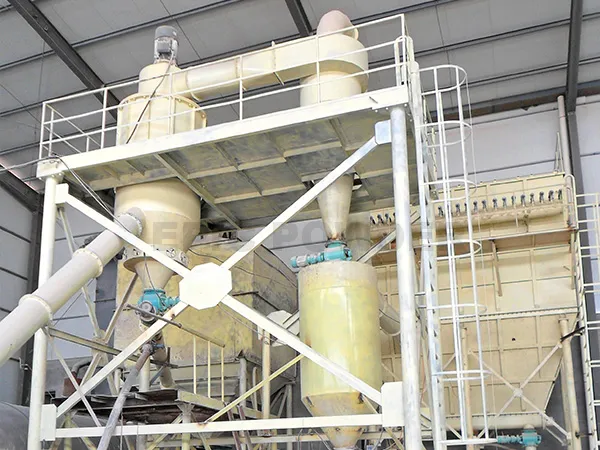
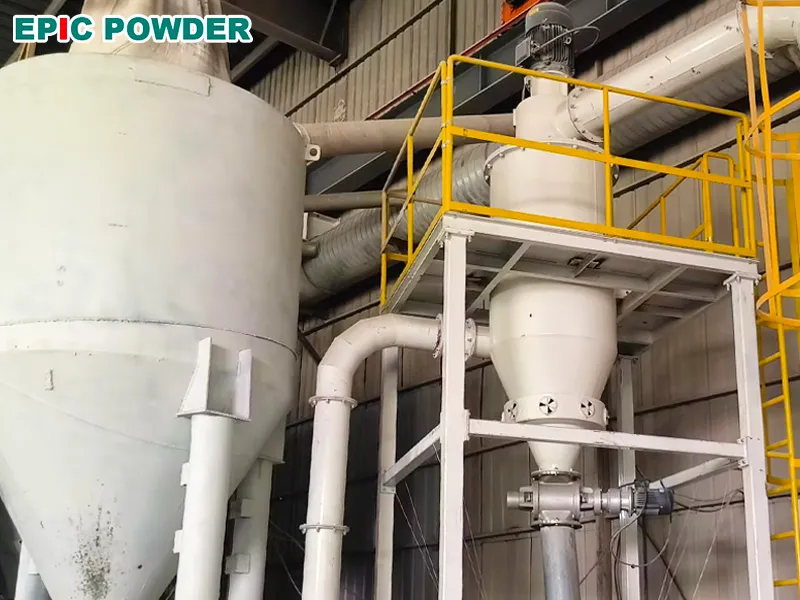
Воздушный классификатор ITC использует тот же основной принцип разделения, что и другие динамические классификаторы: баланс между центробежной силой (прикладываемой высокоскоростным вращающимся классификаторным колесом и направленной наружу) и аэродинамическим сопротивлением (со стороны внутреннего воздушного потока, направленного к колесу). Частицы ниже точки отсечения проходят через лопатки колеса в поток мелкодисперсного продукта; частицы выше точки отсечения отбрасываются наружу и возвращаются в шаровую мельницу.
Классификационное колесо ITC использует горизонтальную высокоскоростную турбинную конструкцию с дополнительным воздухозаборником. Поток дополнительного воздуха подается по периферии классификационного колеса, что улучшает равномерность распределения воздушного потока в зоне классификации. Равномерный воздушный поток является основным фактором, определяющим четкость классификации: если воздушный поток неравномерен по окружности колеса, некоторые частицы с размером, соответствующим точке отсечения, испытывают большее сопротивление и проходят через него (относясь к мелкодисперсной фракции, хотя должны быть отбракованы), в то время как другие испытывают меньшее сопротивление и отбраковываются (относясь к крупнодисперсной фракции, хотя должны быть мелкодисперсными). Конструкция с дополнительным воздухозаборником уменьшает эту асимметрию, создавая более узкую переходную зону между мелкодисперсной и крупнодисперсной фракциями.
Скорость вращения колеса регулируется частотно-регулируемым приводом до 6000 об/мин. Регулировка D97 представляет собой изменение одного параметра — без механических модификаций. Переход от D97 25 микрон к D97 15 микрон или D97 40 микрон требует регулировки заданного значения частотно-регулируемого привода, обеспечения стабилизации в течение приблизительно 20-30 минут и подтверждения с помощью образца PSD.
Почему компания ITC подала иск именно против сервиса Quartz?
Кварц с твердостью по шкале Мооса 7 изнашивает лезвия классификационного колеса и направляющие лопатки значительно быстрее, чем мягкие минералы. Износ колеса приводит к более крупному смещению эффективной точки резания по мере изменения геометрии лезвия — показатель D97 повышается в течение сотен часов, зачастую настолько постепенно, что это обнаруживается только после получения жалобы от клиента. Частая замена колеса увеличивает затраты на техническое обслуживание и время простоя производства.
Конструкция колеса ITC использует опору подшипников с обеих сторон, что снижает вибрацию и позволяет работать на более высоких периферийных скоростях (до 120 м/с) без деформации, вызывающей преждевременный износ в конструкциях с одним подшипником. Запатентованная геометрия колеса распределяет износ более равномерно по поверхностям лопастей, чем в стандартных конструкциях. В кварцевом сортировочном центре Шаньдун с моделью ITC-3 система проработала более 8000 часов практически без незапланированных простоев — интервал износа значительно превышает показатели стандартных классификаторов при эквивалентной производительности по кварцу.
Полная система: керамическая шаровая мельница + Классификатор ИТК в замкнутом контуре
Почему лучше использовать замкнутую цепь, а не разомкнутую?
В шаровой мельнице открытого цикла весь подаваемый материал измельчается до единого выходного отверстия с определенным размером частиц и направляется в сбор. Без классификатора отсутствует механизм удаления частиц, соответствующих заданным параметрам, из зоны измельчения, как только они достигают размера D97 25 микрон — они продолжают измельчаться, потребляя энергию, которая не приводит к полезному уменьшению размера, и образуя мелкие частицы меньше целевого размера, которые могут быть непригодны для применения.
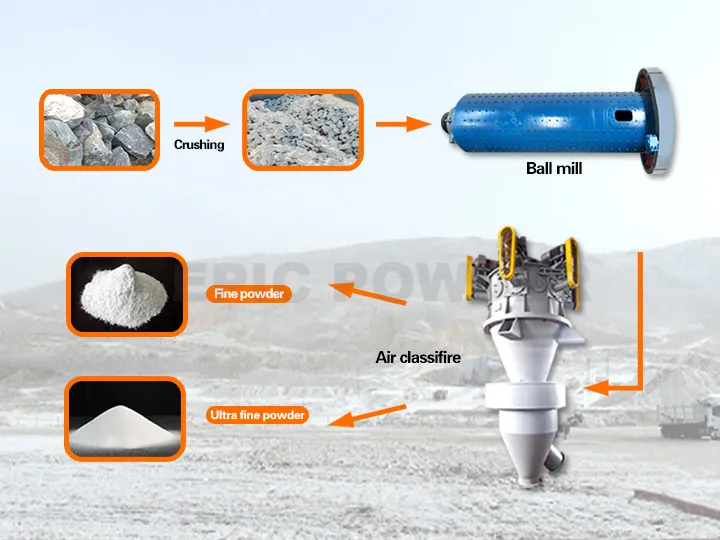
Система замкнутого цикла объединяет шаровую мельницу с Классификатор ИТККлассификатор непрерывно отделяет продукцию, соответствующую спецификации (D97 на уровне или ниже целевого значения), от крупнозернистого материала. Крупнозернистый материал возвращается в шаровую мельницу. Продукция, соответствующая спецификации, отводится в сборный пункт. Циркуляционная нагрузка — отношение возвращенного материала к свежему исходному материалу — обычно составляет 150-3001 тонн TP3T для кварца D97 размером 25 микрон. Это означает, что мельница в любой момент времени перерабатывает смесь свежего исходного материала и частично измельченного возвращенного материала, что повышает эффективность мельницы за счет поддержания оптимального размера частиц в зоне измельчения для эффективного контакта среды с частицами.
Керамическая облицовка и фильтрующие материалы: контроль содержания железа в источнике его образования.
Футеровка и мелющие элементы стальных шаровых мельниц несовместимы с кварцевым порошком, используемым в чувствительных к белизне и электронных устройствах. Кварц истирает сталь с измеримой скоростью, а содержащие железо продукты износа проникают в продукт, повышая содержание Fe2O3 и снижая белизну. Потери белизны на 5-10 пунктов являются обычным явлением в шаровых мельницах со стальной футеровкой, перерабатывающих кварц для нанесения покрытий — это серьезная коммерческая проблема, когда покупатели запрашивают белизну выше 90.
Футеровка из оксида алюминия и мелющие шарики из оксида алюминия марки 99,9% полностью исключают попадание железа в мельницу. Единственный вклад железа в продукт вносит сам исходный кварцевый порошок, содержание которого при необходимости может быть дополнительно снижено за счет магнитной сепарации на входе. В недавно установленной установке EPIC Powder переход от стальной к керамической футеровке повысил белизну продукта с 88 до более чем 95 — это улучшение достаточно для присвоения продукту более высокого ценового класса.
Сводная информация о конфигурации системы для кварца D97 25 мкм при производительности 2 т/ч
- Кормовой материал: Кварц (SiO2 > 99%, Mohs 7), размер частиц сырья менее 3-5 мм, полученный из щековой дробилки.
- Футеровка шаровой мельницы: Алюмокерамика — нулевое содержание железа, полученное в результате прокатки.
- Мелющие материалы: Шарики из оксида алюминия 99,9% — без стальных наполнителей на любом этапе.
- Классификатор: Турбина серии ITC, горизонтальная, с вторичным воздухозаборником, частотно-регулируемое управление скоростью до 6000 об/мин.
- Схема подключения: Замкнутый контур — классификатор отбраковывает и возвращает продукт в шаровую мельницу; соответствующий спецификации D97 продукт размером 25 мкм выходит в сборный пункт.
- Целевой результат: 2 т/ч при D97 25 мкм ± 1-2 мкм
Удельная энергия: 25% — это показатель ниже, чем у традиционных классификационных систем при эквивалентной производительности и тонкости помола.
ПРИМЕР ИЗ ПРАКТИКИ
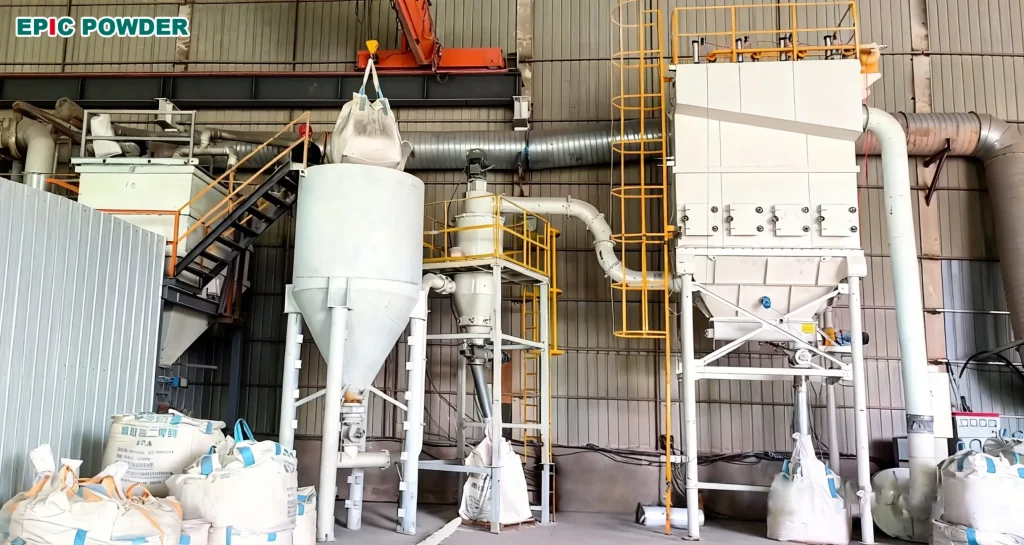
Производство кварцевого порошка с использованием Система классификации воздуха ITC-3 — Шаньдун, Китай
Требования к проекту
Предприятию по переработке кварца в провинции Шаньдун, производящему высокочистый кварцевый порошок для электроники и фотоэлектрических применений, необходимо было улучшить как качество продукции, так и экономические показатели. Их предыдущая система классификации европейской марки обеспечивала приемлемый показатель D97, но при этом потребляла больше энергии, чем требовалось, и нуждалась в частом техническом обслуживании. Целевые показатели качества составляли D97 не выше 10 микрон для мелкой фракции (для электроники/фотоэлектрических систем) и D50 15-20 микрон для крупнозернистой фракции (вторичная фракция) при общей производительности не менее 800 кг/ч.
Выбранное оборудование
После сравнительного тестирования нескольких систем заказчик выбрал керамическую шаровую мельницу EPIC Powder в сочетании с высокоточным воздушным классификатором ITC-3 в замкнутом контуре. Горизонтальная высокоскоростная турбинная конструкция ITC-3 с вторичным воздухозаборником и прецизионным частотно-регулируемым приводом (VFD) для регулирования скорости до 6000 об/мин обеспечила необходимую точность классификации для кварца в соответствии со спецификацией D97 ≤ 10 микрон.
Результаты
- Удельное энергопотребление: Показатель 25% ниже, чем в предыдущей европейской системе брендов при эквивалентной тонкости помола и производительности.
- Белизна мелкодисперсного порошка: После классификации показатель повысился на 2,1 пункта — это объясняется точной очисткой, проведенной ITC, в результате которой был удален богатый железом мелкий осадок, загрязнявший продукт в предыдущей системе.
- Резкость PSD: Чрезвычайно резкое распределение с узким диапазоном D97 ≤ 10 микрон — подтверждено, что подходит для ведущих производителей фотоэлектрических тиглей и наполнителей электронного класса (SiO2 ≥ 99,95%).
- Эксплуатационная надежность: Непрерывная работа в течение более 8000 часов с практически нулевым количеством незапланированных простоев с момента ввода в эксплуатацию в начале 2025 года.
Периодичность технического обслуживания: Значительно снижен износ по сравнению с предыдущей системой благодаря поддержке подшипников с обеих сторон и оптимизированной геометрии колеса от ITC, что снижает скорость износа.
Проектирование линии по производству кварцевого порошка на установке D97 10–45 мкм?
Компания EPIC Powder Machinery может подобрать систему воздушной классификации ITC для вашего кварцевого сырья, целевого значения D97 и объема производства. Мы предлагаем бесплатное тестирование материалов — пришлите нам ваш кварцевый сырье с целевыми характеристиками, и мы предоставим данные о распределении частиц по размерам (PSD), измерения белизны, а также рекомендуемую конфигурацию шаровой мельницы и системы ITC с прогнозируемой производительностью и энергопотреблением.
Укажите размер частиц исходного сырья, чистоту SiO2, целевой показатель D97, требуемую производительность и требования к белизне.
Запросите бесплатный дизайн процесса: www.quartz-grinding.com/contact
Ознакомьтесь с серией воздушных классификаторов ITC: www.quartz-grinding.com
Часто задаваемые вопросы
В: Может ли воздушный классификатор ITC справляться с другими минералами, помимо кварца?
А: Да. Воздушный классификатор ITC в основном используется для обработки полевого шпата, кварца, нефелина и волластонита и отлично подходит для классификации мягких и среднетвердых минералов..
В: Каков типичный срок поставки системы ITC?
A: Сроки поставки зависят от конфигурации и мощности системы. Свяжитесь с компанией EPIC Powder для получения коммерческого предложения, соответствующего вашим требованиям.
В: Предлагаете ли вы тестирование материалов перед покупкой?
А: Да. Компания EPIC Powder предоставляет услуги тестирования, чтобы убедиться, что рекомендованное оборудование позволит достичь поставленных целей, прежде чем вы примете решение о покупке.
Эпический порошок
В Эпический порошокМы предлагаем широкий выбор моделей оборудования и разрабатываем индивидуальные решения, отвечающие вашим конкретным потребностям. Наша команда имеет более чем 20-летний опыт в обработке различных порошков. Компания Epic Powder специализируется на технологиях обработки мелкодисперсных порошков для горнодобывающей, химической, пищевой, фармацевтической и других отраслей промышленности.
Свяжитесь с нами сегодня для бесплатной консультации и получения индивидуальных решений!

Спасибо за прочтение. Надеюсь, моя статья вам поможет. Пожалуйста, оставьте комментарий ниже. Вы также можете связаться с онлайн-представителем EPIC Powder. Зельда для любых дальнейших запросов».
— Джейсон Ван, Инженер