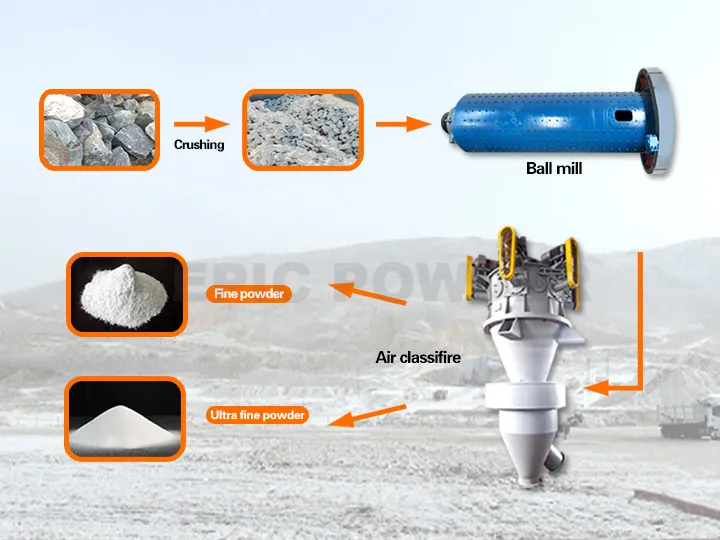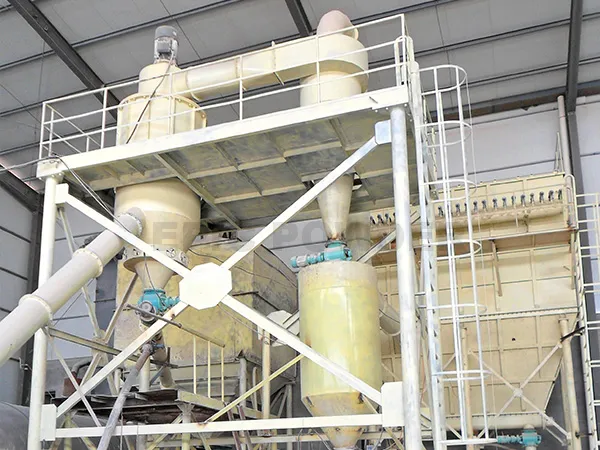
If you’re tackling high-hardness minerals like quartz and feldspar, you already know how critical the right milling equipment is. When grinding tough materials, efficiency isn’t just a bonus — it’s a necessity. That’s where the Ring Roller Mill steps in, delivering consistent particle size, superior throughput, and durability designed for abrasive, heavy-duty applications. Whether you need reliable milling from 0.5 to 8 TPH capacity or beyond, understanding why ring roller technology outperforms traditional mills can transform your quartz production line. Let’s uncover the milling solution engineered specifically for demanding mineral processing?
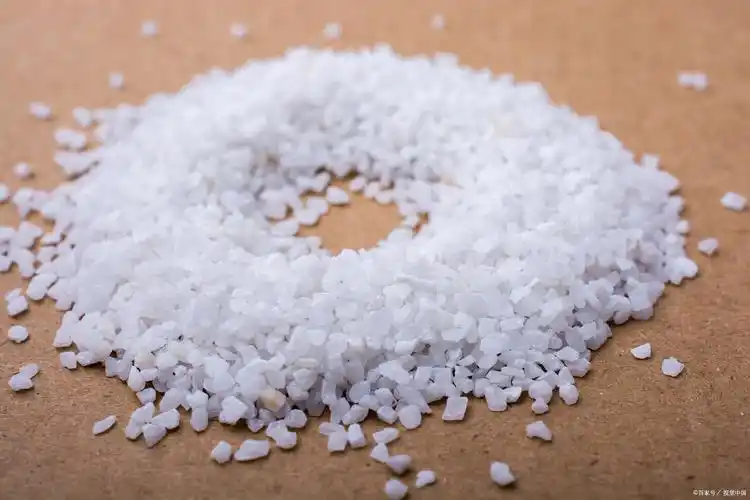
The Rigors of High-Hardness Mineral Processing
Processing high-hardness minerals like quartz and feldspar demands robust and precise milling solutions. These abrasive materials require equipment capable of handling their toughness while delivering consistent particle size and quality. Selecting the right mill is crucial to optimize efficiency and maintain the performance needed for downstream applications.
Quartz Applications: From Engineered Stone to High-Purity Electronics
Quartz is integral to diverse industries due to its hardness and purity. It features prominently in engineered stone surfaces like countertops, where durability and aesthetics matter. Additionally, high-purity quartz is essential in electronics manufacturing, serving as a base material for semiconductors and optical devices. Achieving precise particle size with a quartz grinding mill directly impacts product reliability and functionality.
Feldspar Applications: From Ceramic Glazes to Glass Manufacturing
Feldspar is a key ingredient in ceramics and glass industries, where it acts as a flux to reduce melting temperature and improve product quality. In ceramic glazes, feldspar ensures smooth finishes and enhanced durability. In glass manufacturing, it contributes to clarity and strength. Efficient feldspar processing equipment not only improves throughput but also ensures the consistent granularity necessary for superior end products.
The Performance Imperative: How Particle Distribution Dictates End-Product Quality
The quality of ground quartz and feldspar largely depends on particle size distribution. Uniform particle morphology improves packing density, reactivity, and overall material performance. A well-engineered ring roller mill allows fine-tuning of particle size from coarse crush to fine powder, ensuring that materials meet stringent industrial specifications. This control is crucial in maintaining consistency, reducing waste, and enhancing the functional properties in final applications.
Why Ring Roller Mills Dominate Hard Mineral Milling
Mechanical Advantage
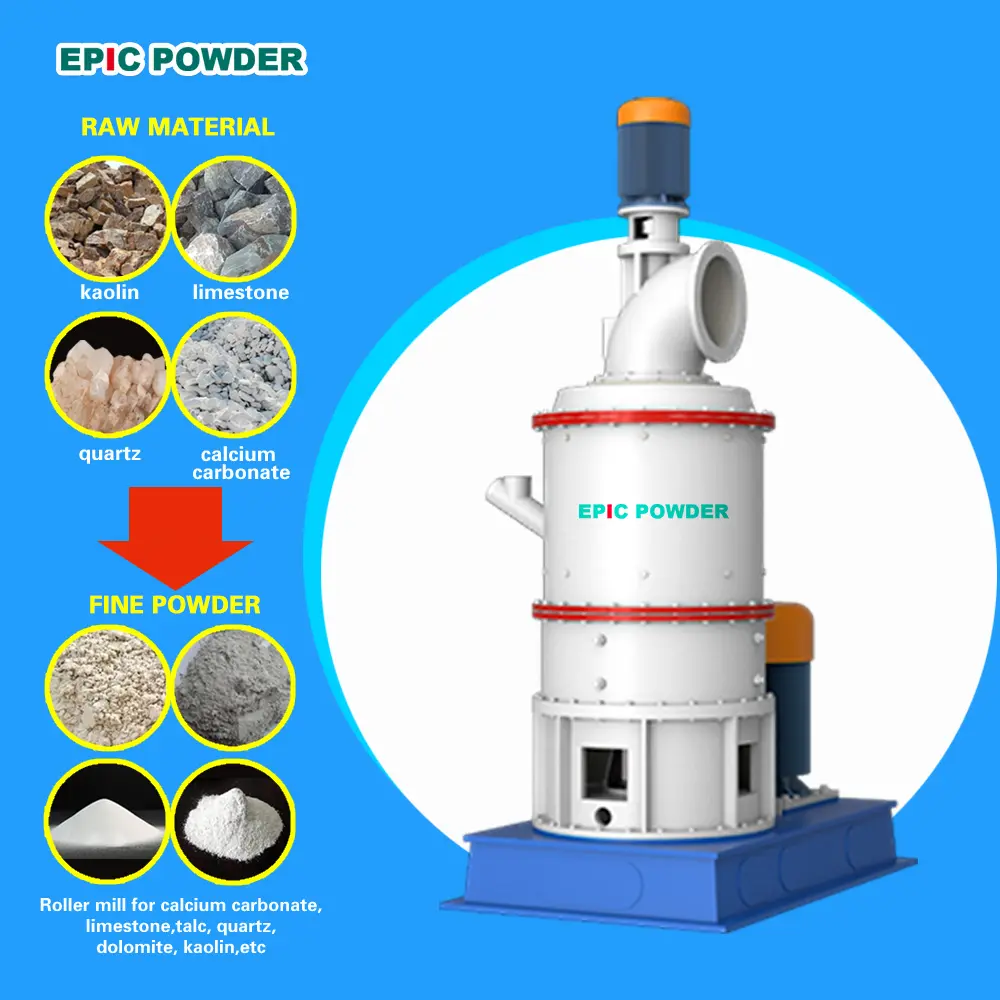
Ring roller mills stand out in quartz and feldspar processing because they apply high torque and intense grinding pressure to break down tough, abrasive minerals efficiently. This mechanical advantage means faster size reduction with lower energy input compared to conventional mills. The design ensures consistent feed through the grinding zone, maximizing throughput without sacrificing particle quality. This robust grinding action is especially effective for maintaining output when working with hard materials like quartz and feldspar.
Robust Wear Management: Optimizing Grinding Roller and Ring Design for Extended Service Life
High-hardness minerals demand equipment that can withstand constant abrasion. The ring roller mill’s grinding rollers and rings are engineered from wear-resistant alloys and designed for easy replacement. This thoughtful wear management extends service life and reduces unplanned downtime. Additionally, the optimized grinding ring profile distributes pressure evenly, preventing premature wear and maintaining grinding efficiency over long periods. For continuous mineral processing, this durability translates into reliable operation and lower maintenance costs overall.
Controlled Fineness: Achieving Precise Particle Size Ranges from Coarse Crush to Fine Powder
One key advantage of ring roller mills is their ability to deliver precise particle size control, ranging from coarse crushed material to fine powders essential for high-value applications. Adjustments in grinding pressure and classifier speed allow operators to consistently hit target fineness levels, meeting strict industry specifications. This control is crucial when producing specialized quartz powders or feldspar grades, where particle uniformity impacts downstream processes like ceramics and glass manufacturing. For insight into achieving finely controlled quartz powder production, explore our detailed guide on choosing the right mill for quartz powder grinding.
The Epic Powder Solution
SRM800 & SRM1000 – Engineered for High-Capacity, Abrasive Mineral Processing
The SRM800 & SRM1000 ring roller mills from Epic Powder are designed specifically to handle the tough demands of quartz and feldspar processing. These models deliver exceptional grinding efficiency by combining high torque with optimized roller and ring designs to tackle the abrasive nature of these minerals. Built for high-capacity throughput, they provide consistent performance across a range of feed qualities and sizes, making them ideal for busy mineral processing plants aiming to maximize productivity without sacrificing fineness or product quality.
Documented Performance
Epic Powder’s SRM series excels in transforming raw mineral feed into uniform powders ranging from coarse 80 mesh to fine 400 mesh. This flexibility allows processors to meet diverse product specifications required in ceramics, glass, and electronic-grade quartz applications. The mills maintain stable operation under continuous load, ensuring consistent particle size distribution and minimal downtime. For those interested in understanding how precise grinding impacts product quality, our detailed insights into quartz powder production methods provide valuable context.
Proven 0.5-8 TPH Capacity for Demanding Production Environments
Designed for continuous heavy-duty operation, the SRM800 & SRM1000 maintain throughput capacities ranging from 0.5 to 8 tonnes per hour (TPH), accommodating both small-scale batch processes and large industrial workflows. Robust construction and precision engineering minimize wear and maintenance needs, even in the most abrasive quartz grinding mill and feldspar processing equipment applications. This reliability reduces downtime and operating costs, making the HC series a dependable choice for companies focused on long-term efficiency and output consistency.
Key Process Parameters and Operational Advantages
Maximizing Throughput
To get the best out of your ring roller mill for quartz and feldspar, controlling feed size, moisture, and airflow is crucial. Feed material should be evenly sized, usually between 10-30 mm, to ensure smooth grinding without overload. Moisture content needs to stay below 1.5% to avoid clogging and reduce wear on rollers. Proper airflow keeps powder moving and cool inside the mill, boosting efficiency.
| Parameter | Ideal Range | Impact on Throughput |
|---|---|---|
| Feed Size | 10-30 mm | Prevents mill overload |
| Moisture Content | < 1.5% | Reduces clogging & wear |
| System Airflow | Controlled per mill capacity | Maintains powder circulation |
Check out our vertical air classifier for airflow optimization tailored to your system.
Fineness Control
Fine-tuning the classifier speed lets you dial in the exact particle size you need for your quartz grinding mill or feldspar processing equipment. Higher speeds reject bigger particles, resulting in finer powders. Adjusting the grinding roller pressure helps control the force applied for size reduction—stronger pressure means finer output but higher energy use.
Key tips:
- Start with moderate classifier speeds and increase slowly
- Match grinding force to raw material hardness and target micron size
- Monitor output consistently to maintain batch-to-batch uniformity
For detailed particle management, integrating a horizontal air classifier can enhance control over the particle size distribution.
System Integration
Seamless integration of all components—from feeding to the final product collection—ensures your powder production keeps running 24/7 with minimal downtime. Automated feeders ensure consistent material input, while advanced dust collection systems maintain a clean environment and recover fine powders efficiently.
System benefits include:
- Continuous operation without bottlenecks
- Reduced manual labor and downtime
- Improved product quality and environmental compliance
Our turnkey systems include custom feeding setups and fully automated powder collection designed specifically for high-capacity quartz and feldspar processing lines. This makes your ring roller mill operation smooth and consistently productive.
The Quality Advantage
Consistent Particle Morphology
Our ring roller mill ensures uniform particle shapes that boost packing density and reaction rates in downstream processes. This consistency matters for applications like engineered stone or ceramics, where well-shaped quartz or feldspar particles affect strength and finish. Controlling particle morphology reduces waste and improves product quality, making your mineral processing more dependable.
Iron Contamination Control
To safeguard product purity, the HC Series ring roller mills are equipped with advanced magnetic separators and use wear-resistant materials on contact surfaces. This dual approach minimizes iron contamination—critical for electronics and glass manufacturing—while extending the equipment’s lifespan. Less contamination means cleaner quartz and feldspar, outperforming traditional grinding methods.
Energy Efficiency: High Yield per Kilowatt-Hour Compared to Traditional Ball Milling
Ring roller mills deliver exceptional energy savings without compromising throughput or fineness. Compared to ball milling systems, you typically see:
| Metric | Ring Roller Mill | Ball Mill |
|---|---|---|
| Energy Consumption | Lower (kWh/ton) | Higher |
| Throughput (TPH) | 0.5 – 8 (typical) | Comparable |
| Particle Size Control | Precise and adjustable | Less precise |
| Maintenance Frequency | Reduced | Higher |
This efficiency translates into lower operational costs and a better return on investment. For more insights on improving mineral milling efficiency, explore our quartz ball mill classification production line, designed to complement your ring roller mill setup.
The Epic Powder Partnership: From Testing to Turnkey Installation
Application Testing: Leverage Our Process Lab to Validate Your Specific Quartz or Feldspar Milling Goals
Before investing in milling equipment, it’s crucial to confirm that the ring roller mill meets your quartz or feldspar processing needs. At Epic Powder, we offer thorough application testing in our dedicated process lab. This testing allows you to evaluate how our quartz grinding mill or feldspar processing equipment handles your raw materials. From feed size to final particle distribution, we help optimize parameters to ensure you reach your desired mesh size and product consistency, reducing risk and streamlining production.
Built for Durability: Designing Mills That Withstand 24/7 Abrasive Service with Minimal Downtime
Our HC Series ring roller mills are engineered for nonstop operation in harsh environments typical of hard mineral processing. Featuring robust wear-resistant components and smart design choices, these mills handle abrasive quartz and feldspar grindings while minimizing maintenance. This means you get reliable, continuous throughput with minimal interruptions—perfect for the high-demand conditions of modern production.
Total Cost of Ownership: Balancing Capital Investment with Operational Efficiency and Maintenance Costs
Investing in a ring roller mill from Epic Powder means considering both upfront costs and long-term savings. Our equipment balances initial capital investment against operational efficiency and wear part longevity. Compared to traditional ball milling, you’ll find improved energy efficiency and reduced downtime. This way, you gain value through sustained performance and lower overall maintenance expenses, helping your business stay competitive in global mineral markets.
Explore more about optimizing feldspar milling in our detailed feldspar ball mill classifier production line equipment coordination and optimization guide.
Common Questions on High-Hardness Mineral Milling (Q&A)
Ring Roller Mill vs. Ball Mill for Quartz Processing: A Comparison of Efficiency and Particle Shape
Ring roller mills excel over ball mills in handling tough minerals like quartz because they offer:
- Higher grinding pressure and torque for faster size reduction
- Better control of particle shape, producing uniform flakes ideal for engineered stone and electronics
- Lower energy use per ton, making operations more cost-effective
In contrast, ball mills tend to create more irregular particles and have higher wear rates for hard minerals. For those targeting precise particle ranges with consistent morphology, ring roller mills deliver superior results.
How to Achieve Consistent 325 Mesh (D97) Production for Ceramic Grade Feldspar?
Consistent 325 mesh feldspar requires tight control over milling parameters:
| Parameter | Recommendation |
|---|---|
| Feed Size | Below 10mm for smooth grinding |
| Moisture Content | Keep under 1% to avoid clumping |
| Classifier Speed | Adjust to fine-tune particle cut |
| Grinding Force | Maintain steady pressure for uniform size |
| System Airflow | Optimize for powder evacuation |
Using a ring roller mill with adjustable classifier settings lets you dial in the precise particle distribution needed for ceramic glazes and glass manufacturing.
What Are the Key Wear Parts and Maintenance Strategies for 24/7 Mineral Processing Operations?
To keep your ring roller mill running around the clock on abrasive quartz and feldspar, focus on these:
- Wear Parts:
- Grinding rollers and rings (wear-resistant alloys)
- Classifier blades
- Magnetic separators (to reduce iron contamination)
- Maintenance Tips:
- Schedule regular inspection and thickness measurements on rollers and rings
- Replace worn parts before performance drops
- Monitor system airflow and clean dust collectors to avoid blockages
- Use advanced wear materials (e.g., high-chrome alloys) for longer service life
Proactive care minimizes downtime, ensuring a stable 0.5-8 TPH capacity operation and high-quality output. For integrated equipment options, consider combining your ring roller mill with a quartz ball mill classification production line to optimize your process flow.
Epic Powder

“Thanks for reading. I hope my article helps. Please leave a comment down below. You may also contact EPIC Powder online customer representative Zelda for any further inquiries.”
— Emily Chen, Senior Engineer