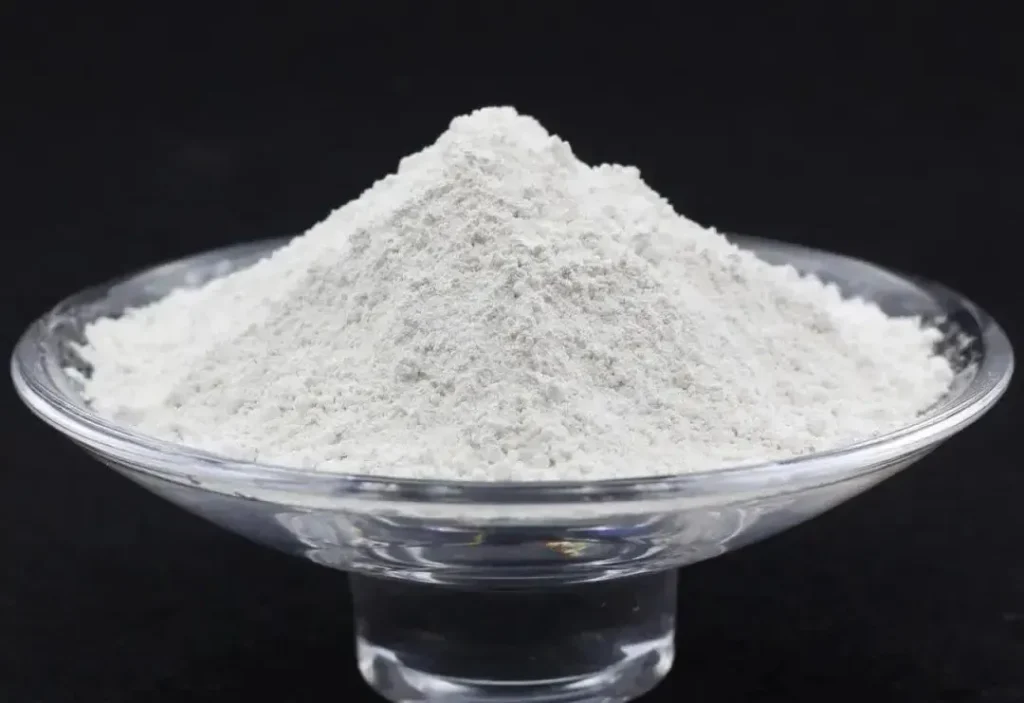
Quartz powder presents well: high whiteness, fine particle size, stable physical and chemical properties. Many producers stop there and label it high-grade. Buyers serving electronics, photovoltaic, semiconductor, and precision glass markets check a second number first: magnetic content.
These industries treat magnetic iron as a hard gate. A batch that fails the magnetic test is returned, whatever its whiteness or fineness. Iron alters how a wafer, a solar cell, or a lens performs, so customers set low limits and enforce them without exception. Securing these orders means controlling magnetic content from raw ore to the finished bag.
Where Magnetic Contamination Comes From
Quartz mineral is essentially non-magnetic. The iron that fails a test enters during mining and processing, from three sources.
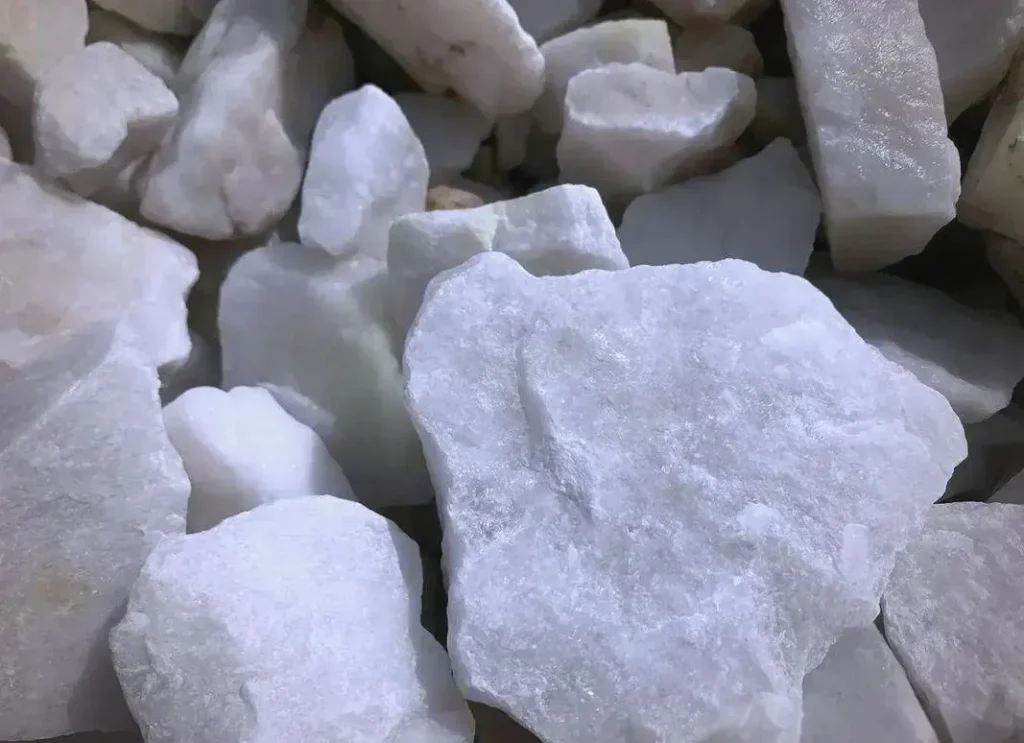
The first is the raw ore. A quartz deposit carries iron minerals, biotite, hornblende, and fine iron-manganese oxides that remain with the quartz and are costly to remove. The finer the target particle size, the harder the separation becomes, because the iron diminishes in step with the quartz.
The second is process equipment. Every point where metal contacts, abrades, or strikes the ore sheds iron. Liners, grinding media, and classifier impellers all add wear powder, and this contamination tracks equipment condition, making it unpredictable.
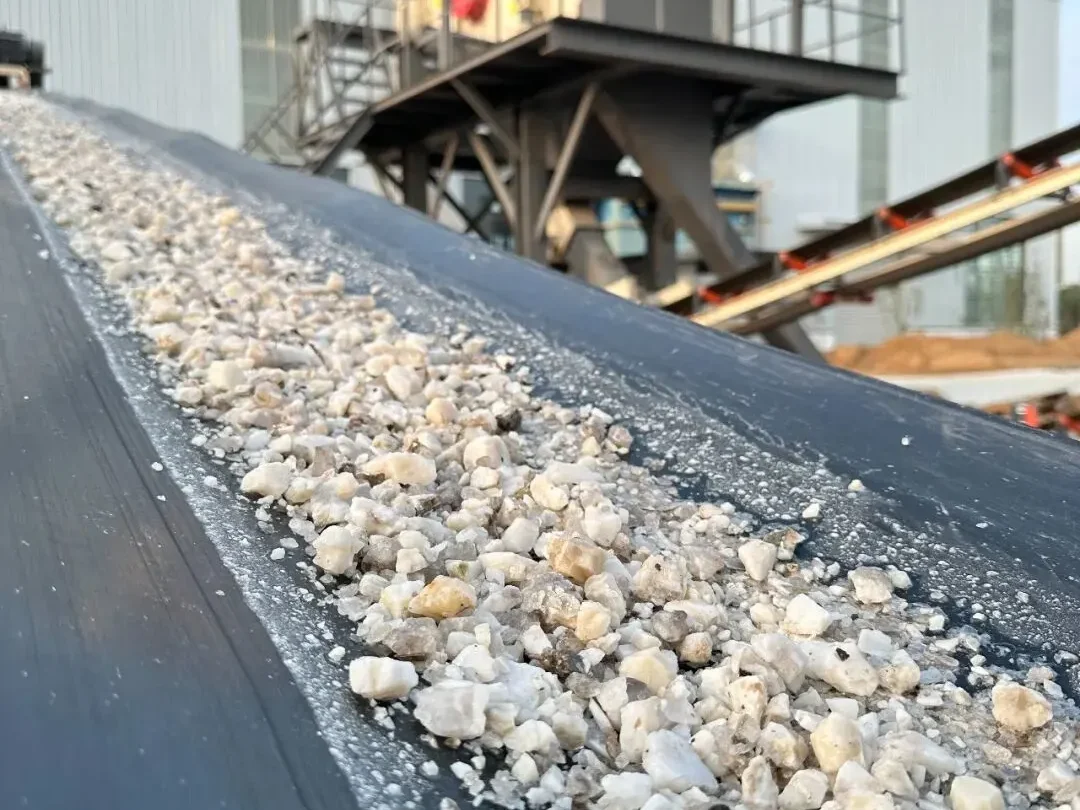
The third is handling and the plant environment, where dust falls back into the product stream, batches mix, a tool drops into a bin, and packaging introduces foreign matter. These losses are the hardest to trace: the process may run correctly while a single careless step ruins the batch.
Magnetic content remains difficult to control because it is low, unevenly distributed, and sensitive to process conditions. Fine iron particles adhere to fine quartz surfaces, so removal only at the final step yields unstable results.
How Magnetic Separation Works on Fine Powder
Magnetic separation exploits the susceptibility difference between quartz and iron minerals to draw iron toward a magnet while the quartz passes. On fine powder, three factors determine the outcome.
First, dispersion controls the result. Clumped powder buries iron where a strong magnet cannot reach it. Producers who disperse and classify the powder before the magnet remove far more iron than those who feed it directly. This step accounts for roughly half the outcome.
Second, field gradient matters more than field strength. Two magnets with identical gauss ratings can perform very differently, because the gradient depends on internal design and determines how well the magnet captures fine, weakly magnetic particles. Many plants run magnets at full strength yet still obtain unstable results when the design does not match the material.
Third, a single magnet cannot carry the entire load. Iron removal works best in stages: a coarse stage captures large chips and strongly magnetic particles early, then a fine stage removes the small, weakly magnetic residue. Classification between stages lightens the load on the finishing magnet, while a safeguard step at the finished-product end catches whatever slips through.
A Staged Iron-Removal Process for Quartz Powder
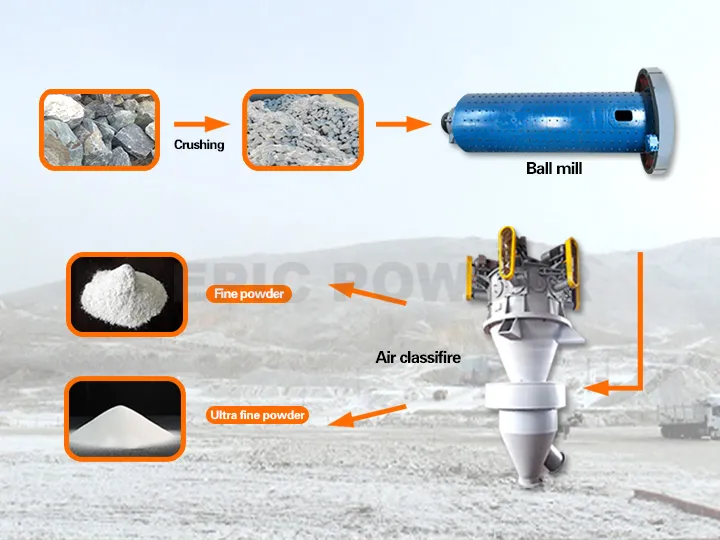
A complete line runs through raw material, crushing, grinding, classification, iron removal, homogenizing, and packaging. Risk concentrates at three points.
At intake, store low-iron and high-iron ore in separate zones with clear batch labels so one pile cannot contaminate the other, and raise sampling frequency whenever a new supplier or ore layer appears. Pre-screening, washing, or pre-selection strips the largest iron pieces before they reach the mill.
Crushing and conveying generate their own iron, so the goal is to stop metal before it becomes fine powder. Control liner and wear-part quality, and regulate speed and load to prevent abnormal vibration and uneven wear. Add a coarse iron-removal step after crushing and before the lift into the mill, so bolt fragments and large chips never reach the grinding zone.
Grinding receives the closest attention, because the mill, its media, its liner, and its classifier impeller all touch the ore. Select these parts to minimize metal introduction and limit iron contact with the material. Hold the load steady, because a fluctuating load increases wear and makes magnetic content swing with output. Wet-process plants also monitor water quality and pipe corrosion; dry-process plants monitor dust fallback and static buildup.
Grinding Equipment That Adds Less Iron
The mill is the largest source of added iron in a quartz line, so equipment choice sets the ceiling on magnetic content. A mill with soft liners, poor media, and a mismatched classifier keeps contaminating the powder, regardless of the magnets downstream.
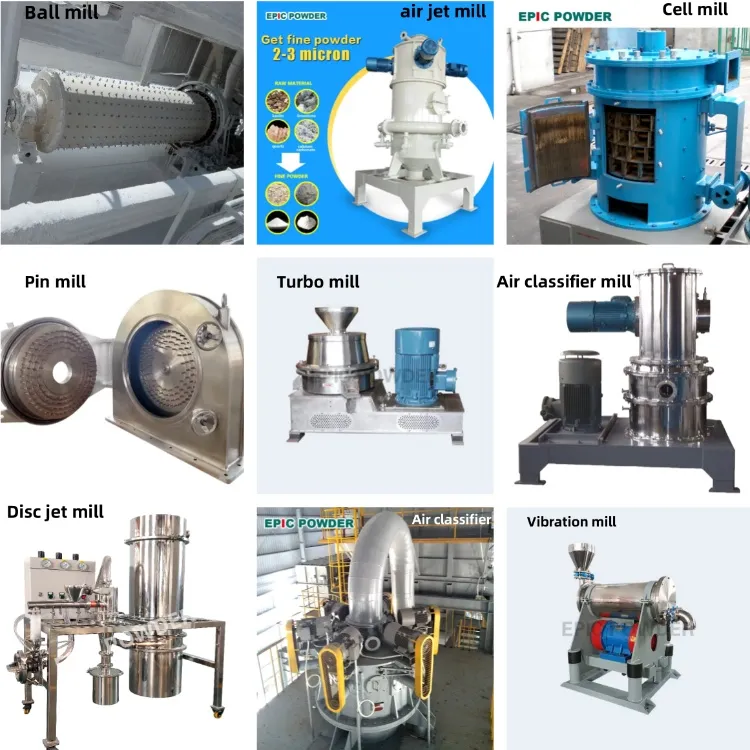
Epic Powder Machinery designs its grinding systems around this problem. Our Ball Mill and Air Classifier production line pairs a low-wear ball mill with a high-precision air classifier. The closed-circuit design recycles coarse particles and returns only on-size powder, reducing both grind time and the metal that long residence introduces.
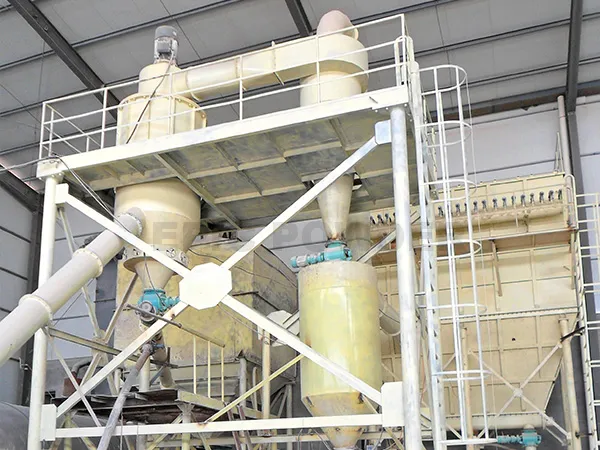
bu yatay hava sınıflandırıcı Ve dikey hava sınıflandırıcı run before magnetic separation, dispersing the powder and cutting it at a tight point so the magnet encounters loose, separate particles rather than clumps. A well-classified feed gives the magnet the clean separation it requires.
For markets that demand exceptionally low iron, our yatay akışkan yataklı jet değirmeni Ve vertical fluidized bed jet mill grind by particle-to-particle impact with no grinding media, removing an entire class of iron source. The special vibration mill covers smaller, specialized volumes. Contact Epic Powder Machinery to align a line with your buyers’ magnetic limits.
Matching Magnetic Content to Your Customer
Different markets set different magnetic limits, and the pattern is consistent: the more sensitive the application is to electrical and optical performance, the stricter the limit. A ceramics filler buyer accepts a higher number than a photovoltaic crucible buyer, so set the target to the customer’s process window and build the line backward from that figure.
Buyers in these markets also value consistency. They reward a supplier who holds the magnetic number within the limit for years over one who ships a single good batch and then slips. When you talk to a customer, set aside vague claims about clean powder; present the staged iron-removal points, the classification before the magnet, the traceable batches, and the steady process data. Magnetic content is set at the mill, and the higher-value orders follow the producers who hold it there.
Epik Toz
Epic Powder designs grinding and classifying systems for minerals, chemicals, food, and pharmaceuticals. With more than 20 years of powder processing experience, we match the right mill to your target particle size and capacity. Tell us about your material and we will recommend a tested solution.

"Okuduğunuz için teşekkürler. Umarım makalem yardımcı olur. Lütfen aşağıya yorum bırakın. Ayrıca EPIC Powder online müşteri temsilcisiyle iletişime geçebilirsiniz. Zelda Daha fazla bilgi için.”
— Jason Wang, Mühendis